One of the most common questions couples ask is:
“What do we actually get with 10 hours of wedding coverage?”
It’s a fair question.
Ten hours sounds like a lot until your wedding day starts moving fast.
The truth? For most weddings, 10 hours gives enough space to document the full story without rushing. From quiet morning prep to a packed dance floor, it allows your photos and film to feel complete.
Today, we’re breaking down what a real wedding day actually looks like with 10 hours of coverage.
Why 10 Hours Is Often the Sweet Spot
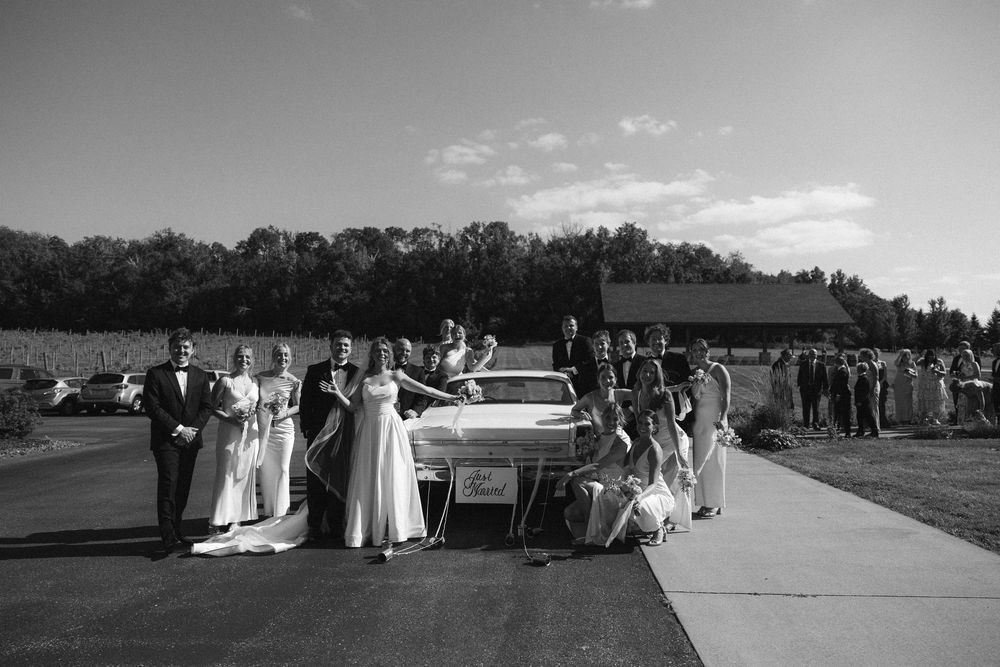
Every wedding is different, but 10 hours tends to work best for couples who want their story documented fully, not just the big moments.
This usually covers:
- Getting ready
- Details (dress, invitations, rings, florals)
- First look or private vows
- Wedding party + family portraits
- Ceremony
- Cocktail hour
- Reception details
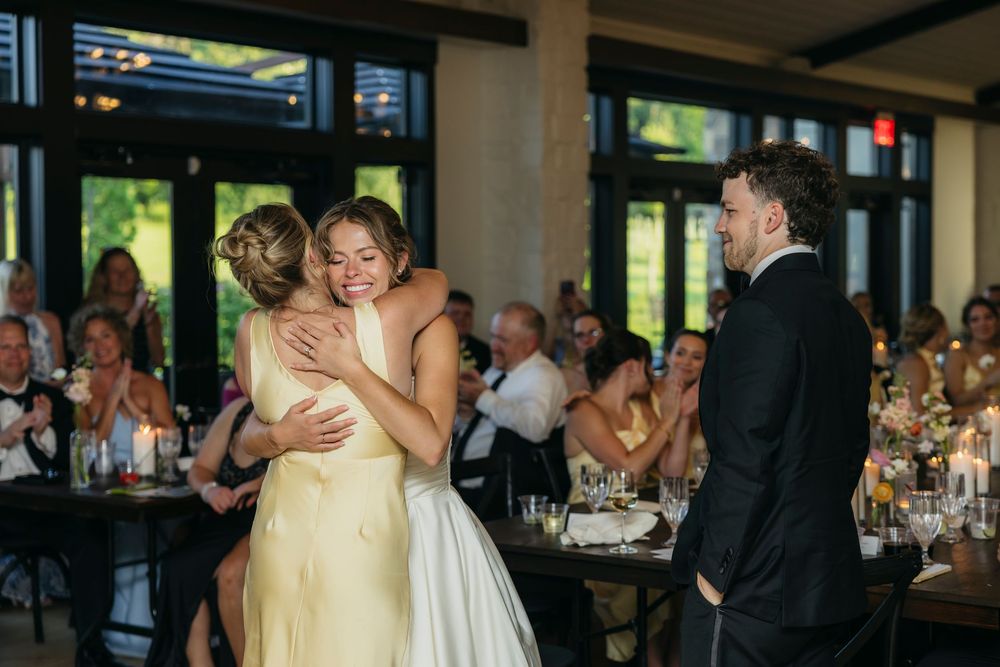
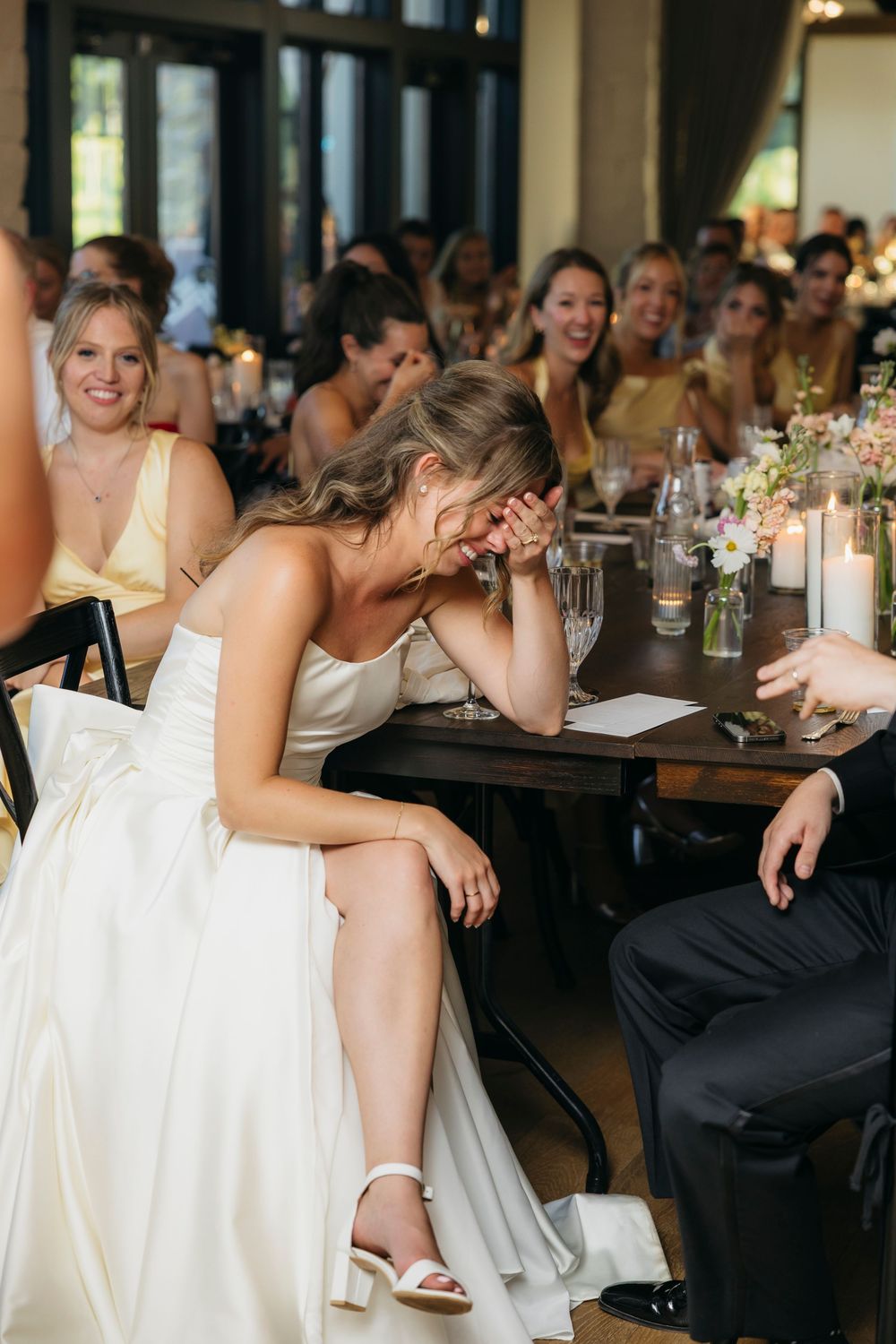
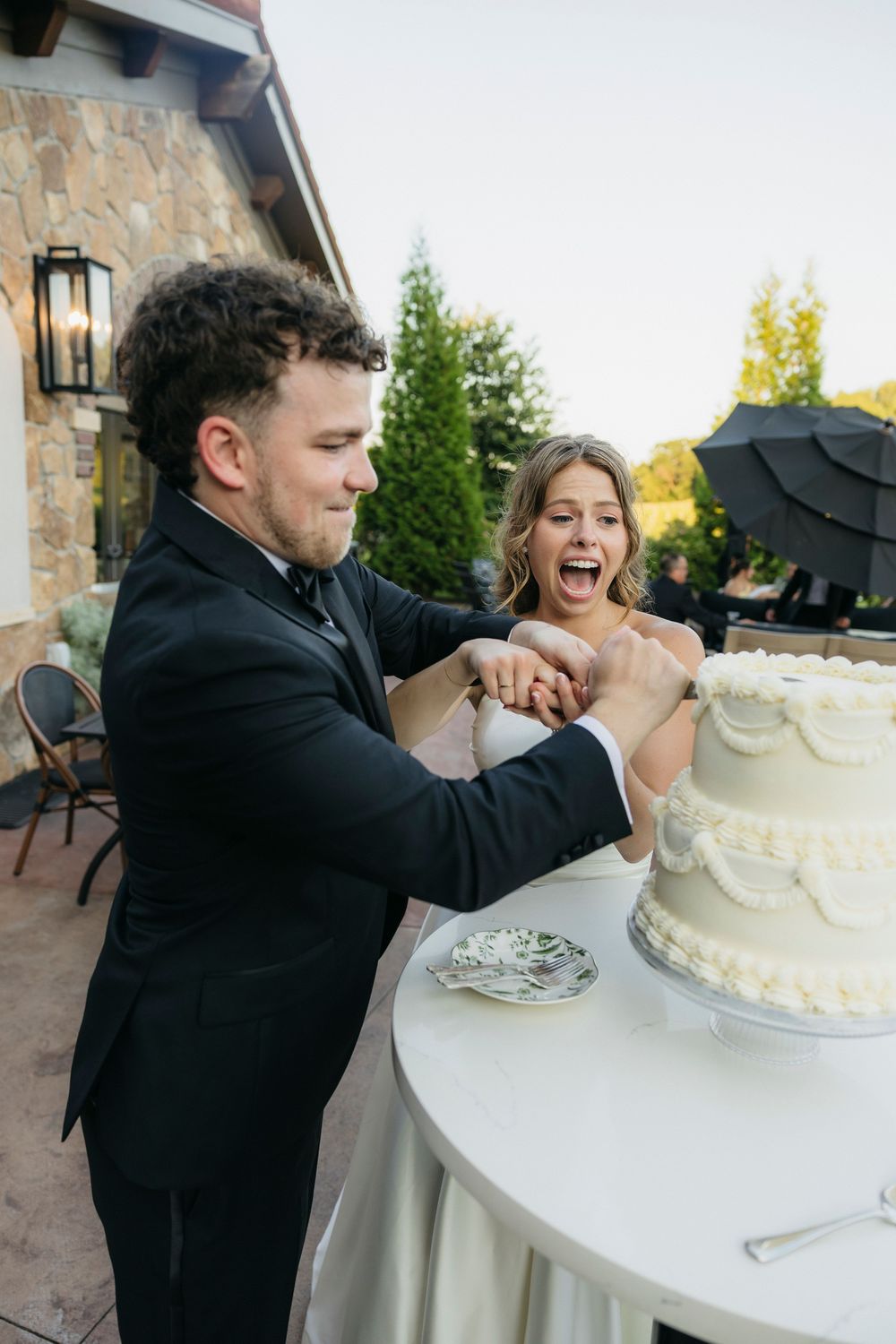
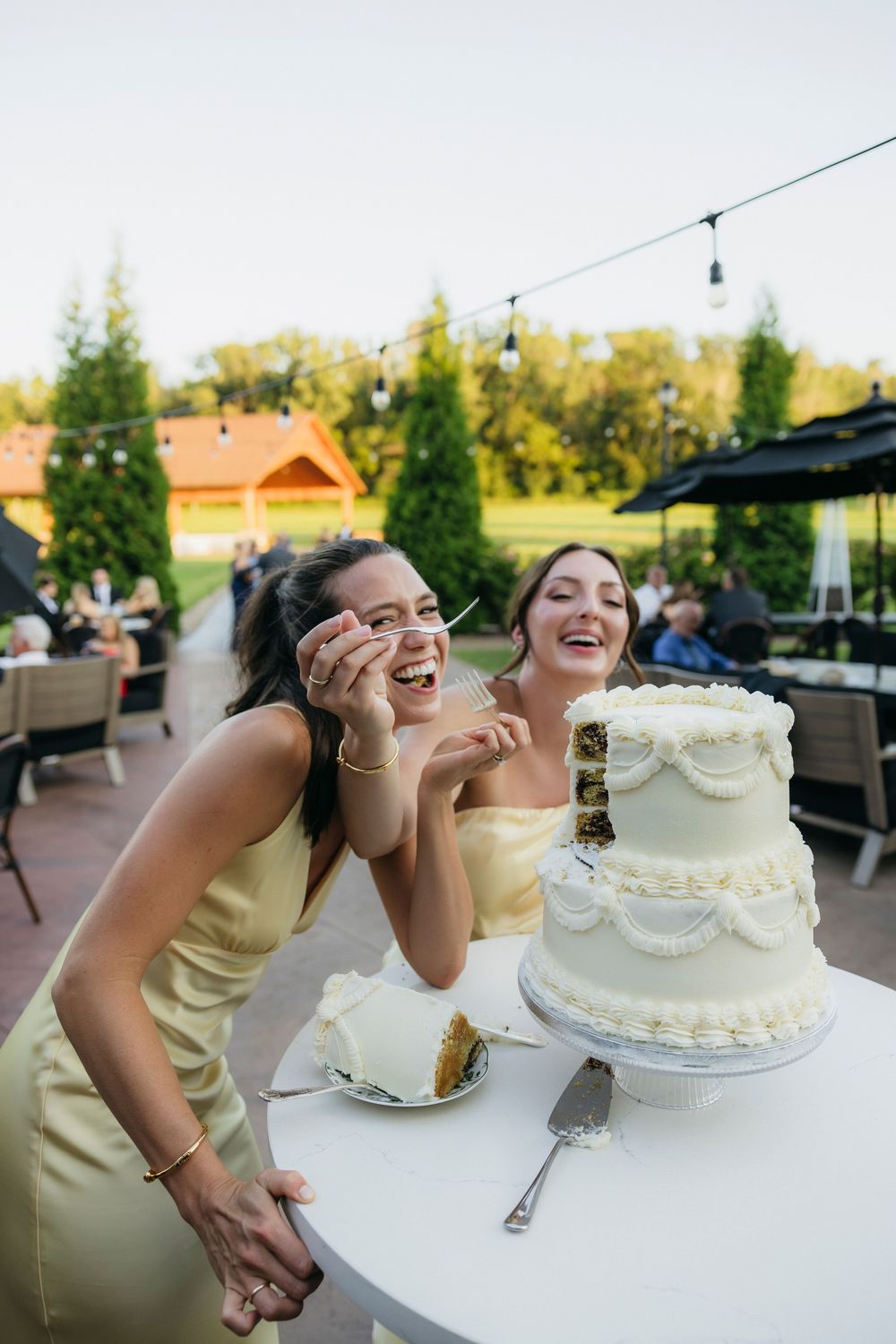
- Toasts, dances, cake
- Dance floor + candid guest moments
Not sure how much coverage you actually need?
Read: How Many Hours of Wedding Coverage Do You Really Need?
For most weddings, 10 hours gives enough room to document everything naturally without turning your day into a photoshoot or constantly watching the clock.
It also creates something couples rarely think about until the wedding day:
Buffer time.
And buffer time matters.
Hair and makeup runs behind. Family members disappear. Transportation takes longer than expected. Weather changes.
A little breathing room keeps the day feeling calm and usually leads to better photos and video.
Read more: Wedding Timeline Mistakes Couples Make (And How to Avoid Them)
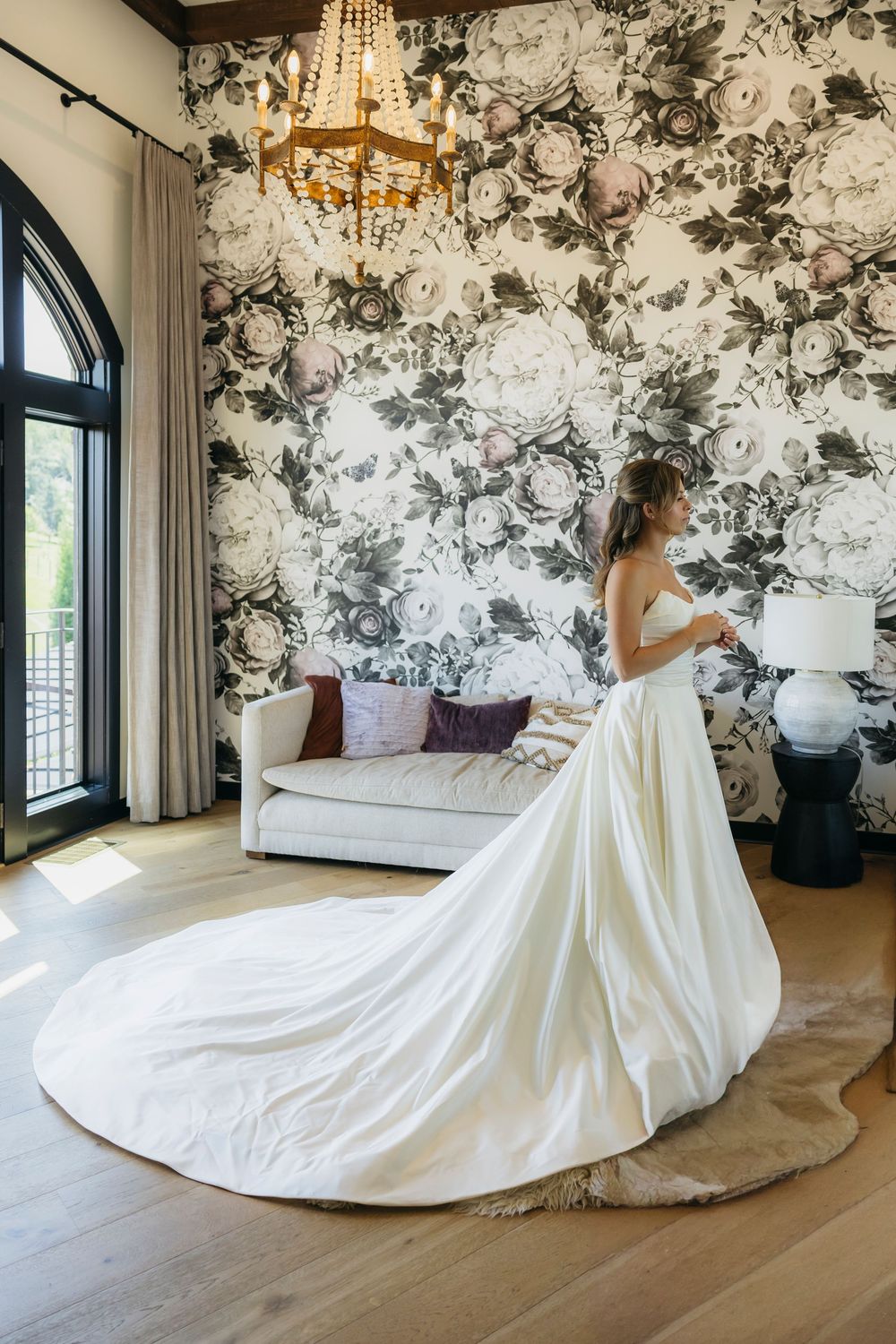
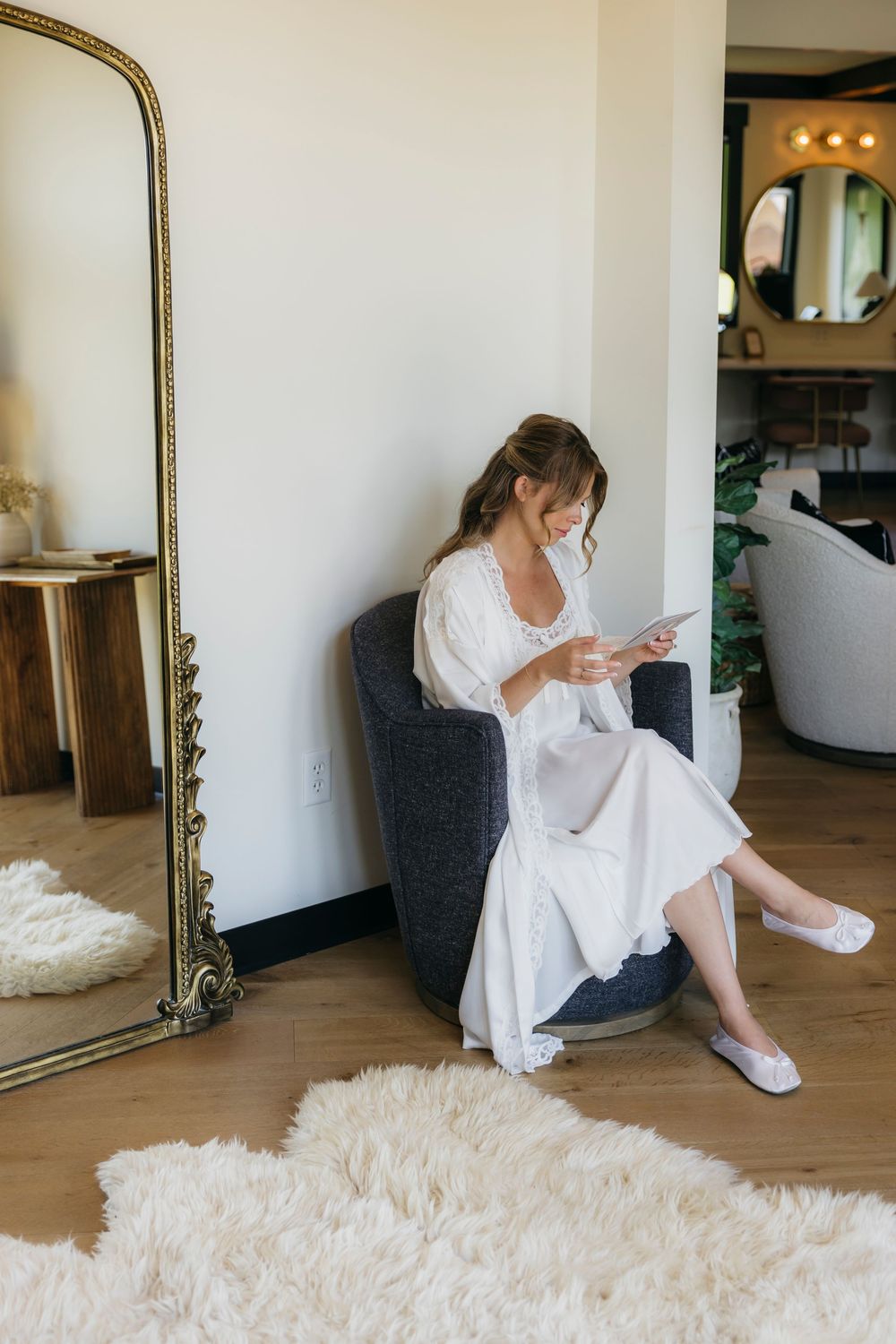
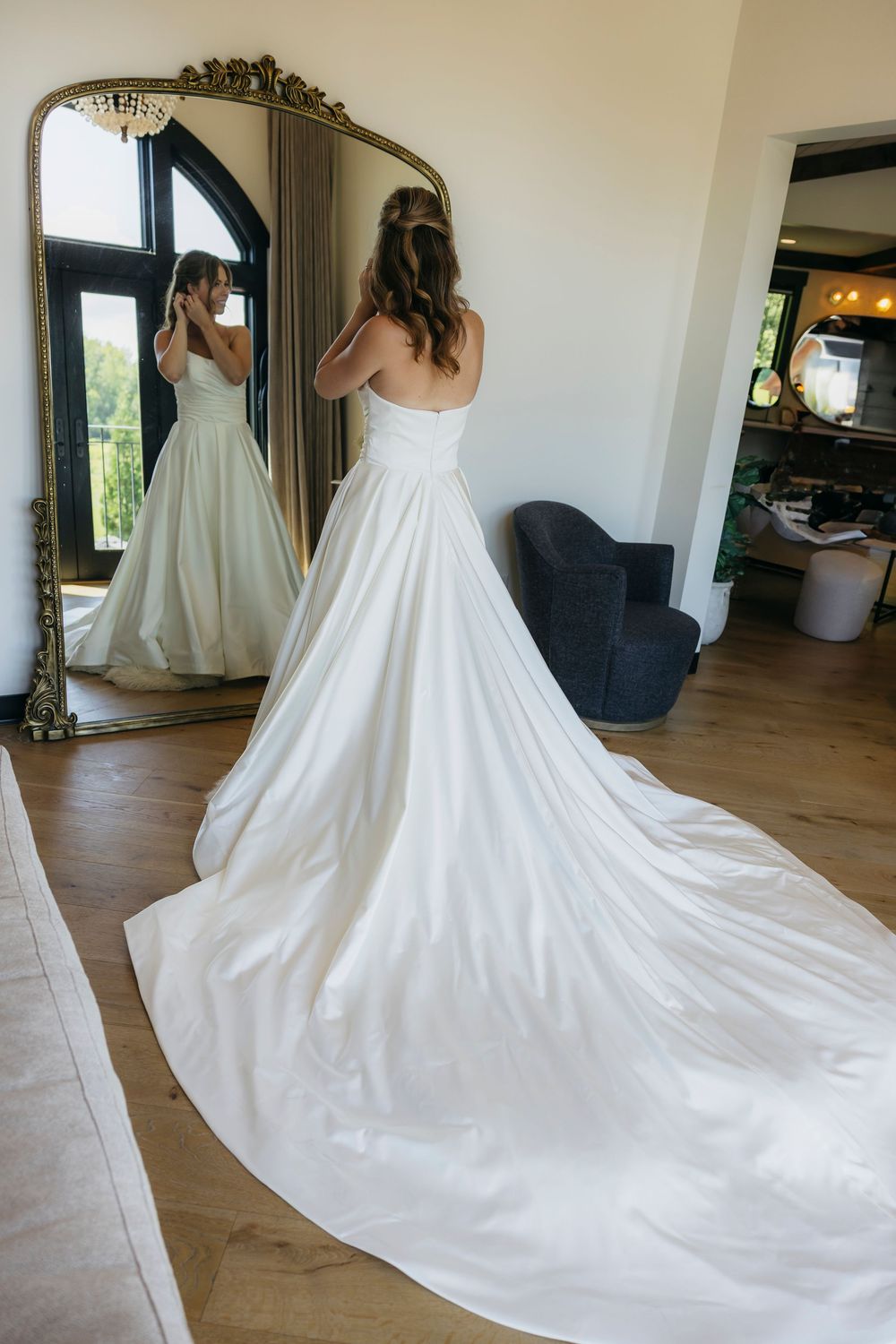
Hours 1–2: Details + Getting Ready
This is where the story begins.
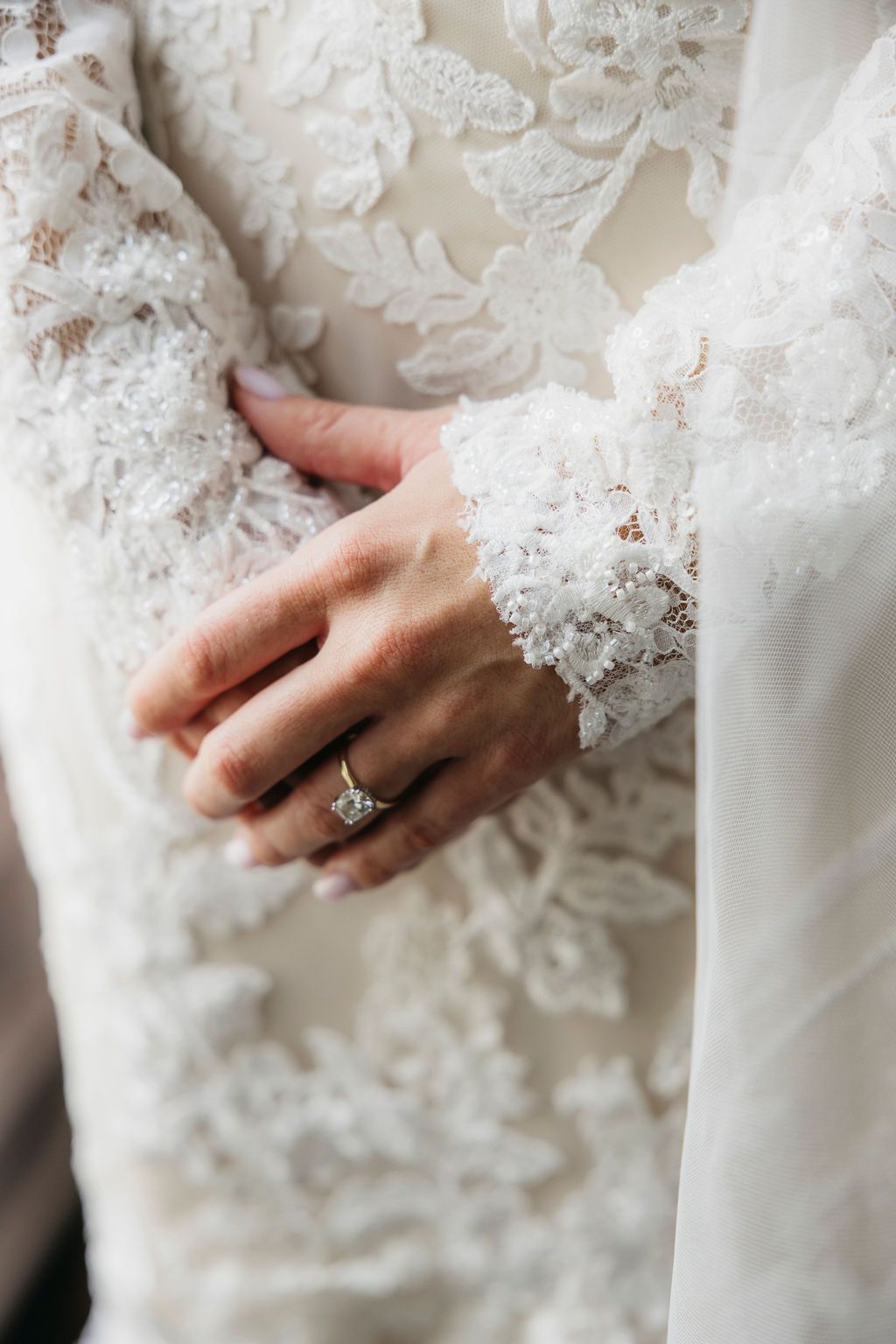
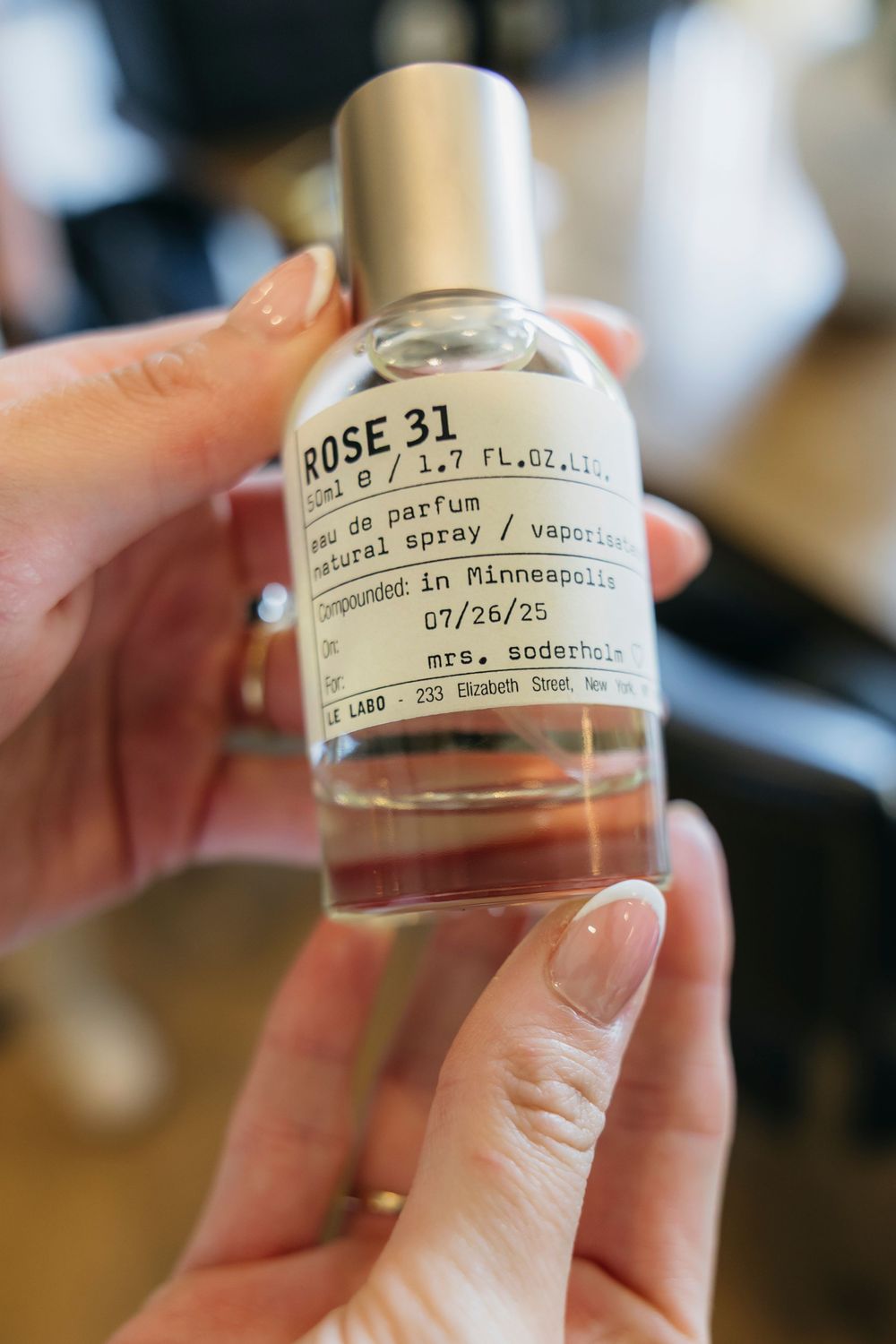
The dress hanging. Invitation suite. Rings. Perfume. Champagne. Final touches. Parents walking in. Quiet nerves.
These moments often become some of the most emotional images in the gallery.
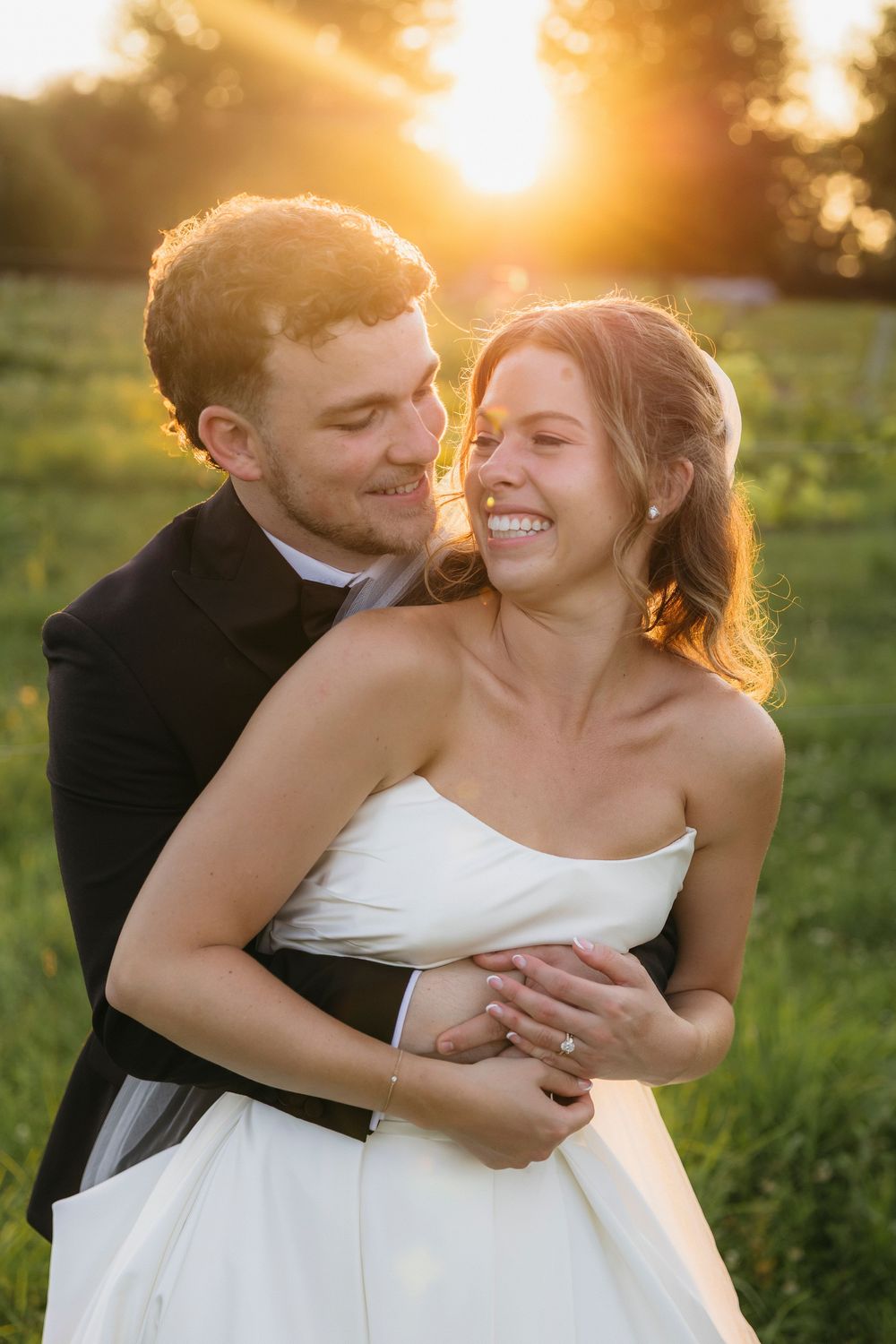
Hours 3–4: First Look + Portraits + Private Vows
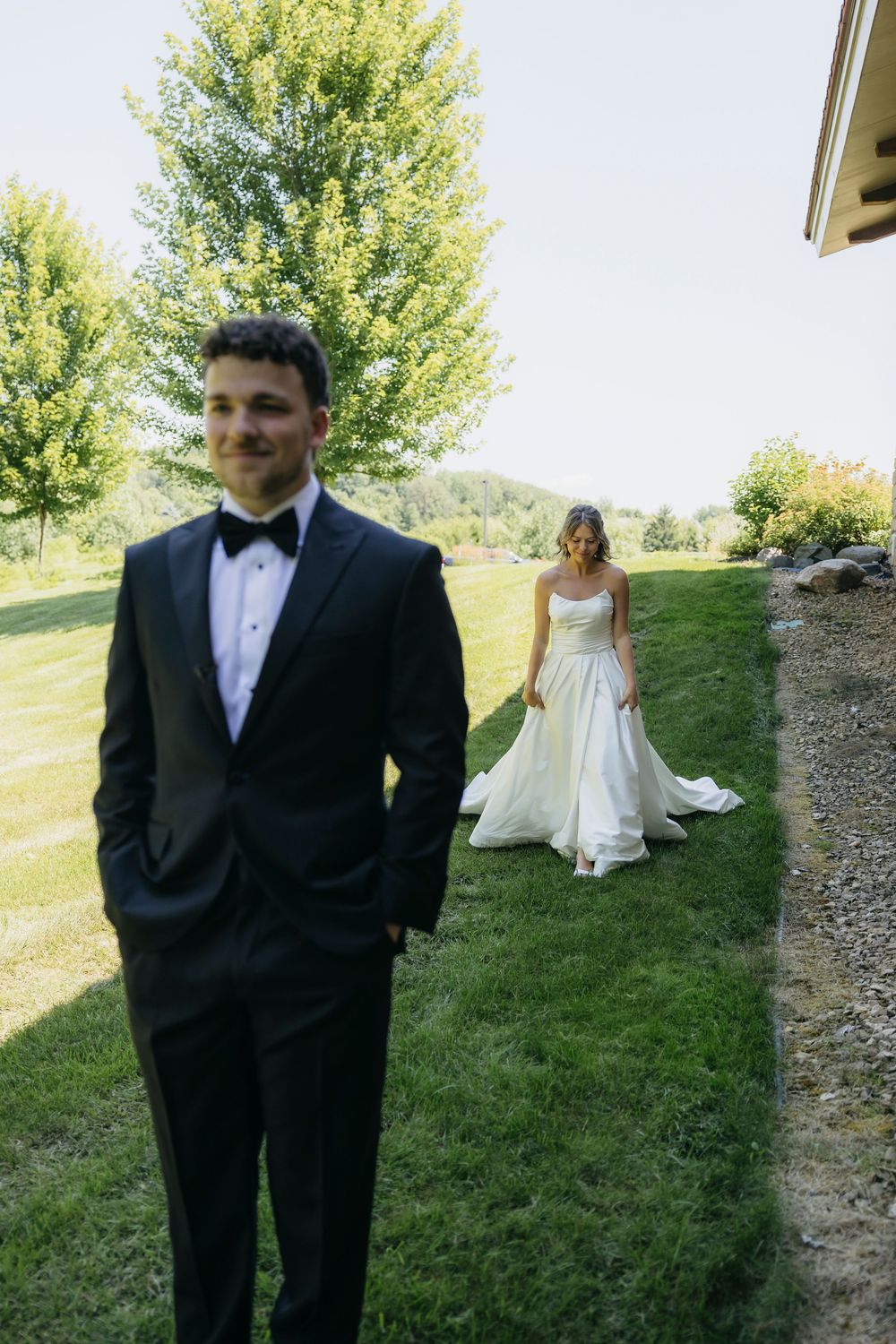
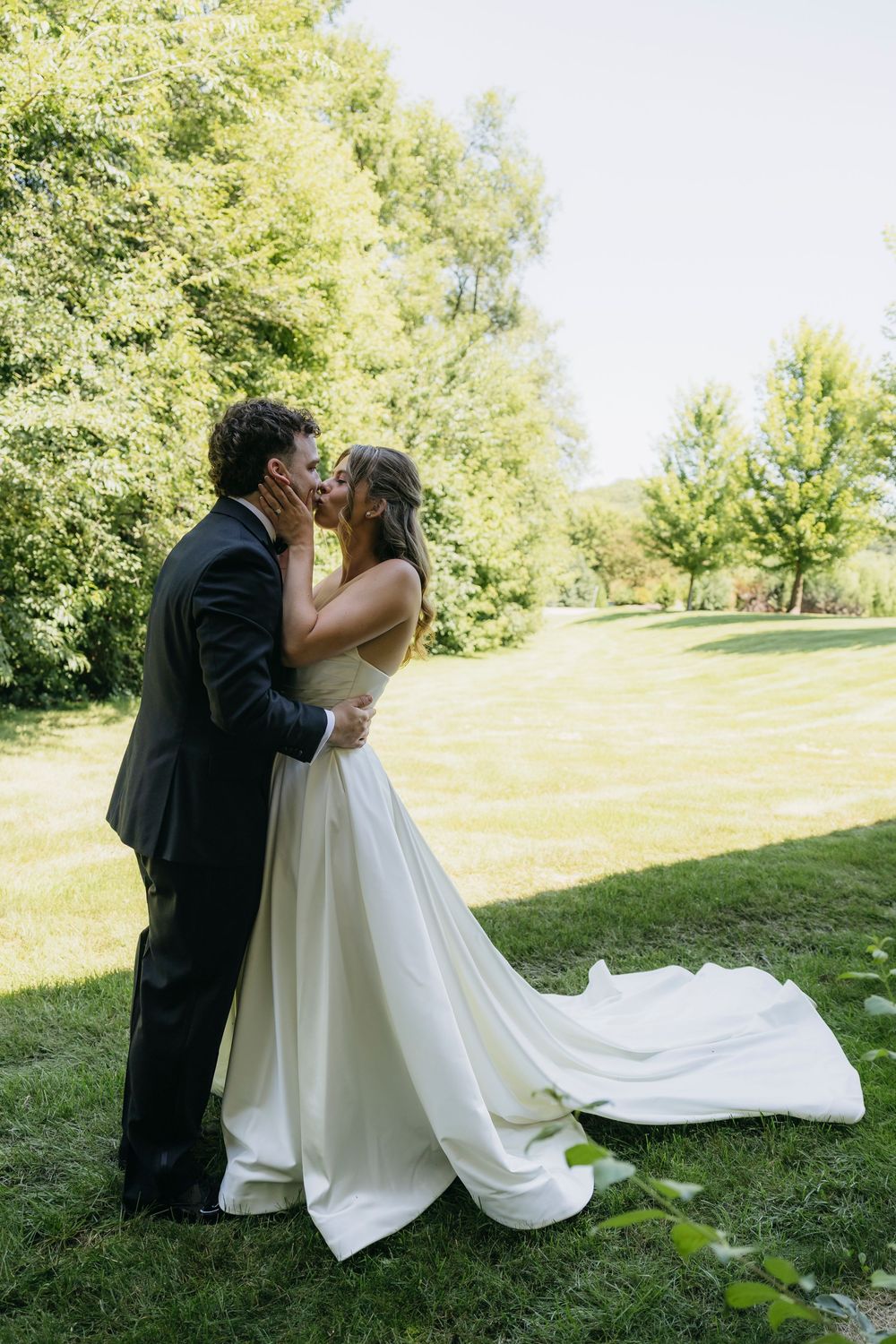
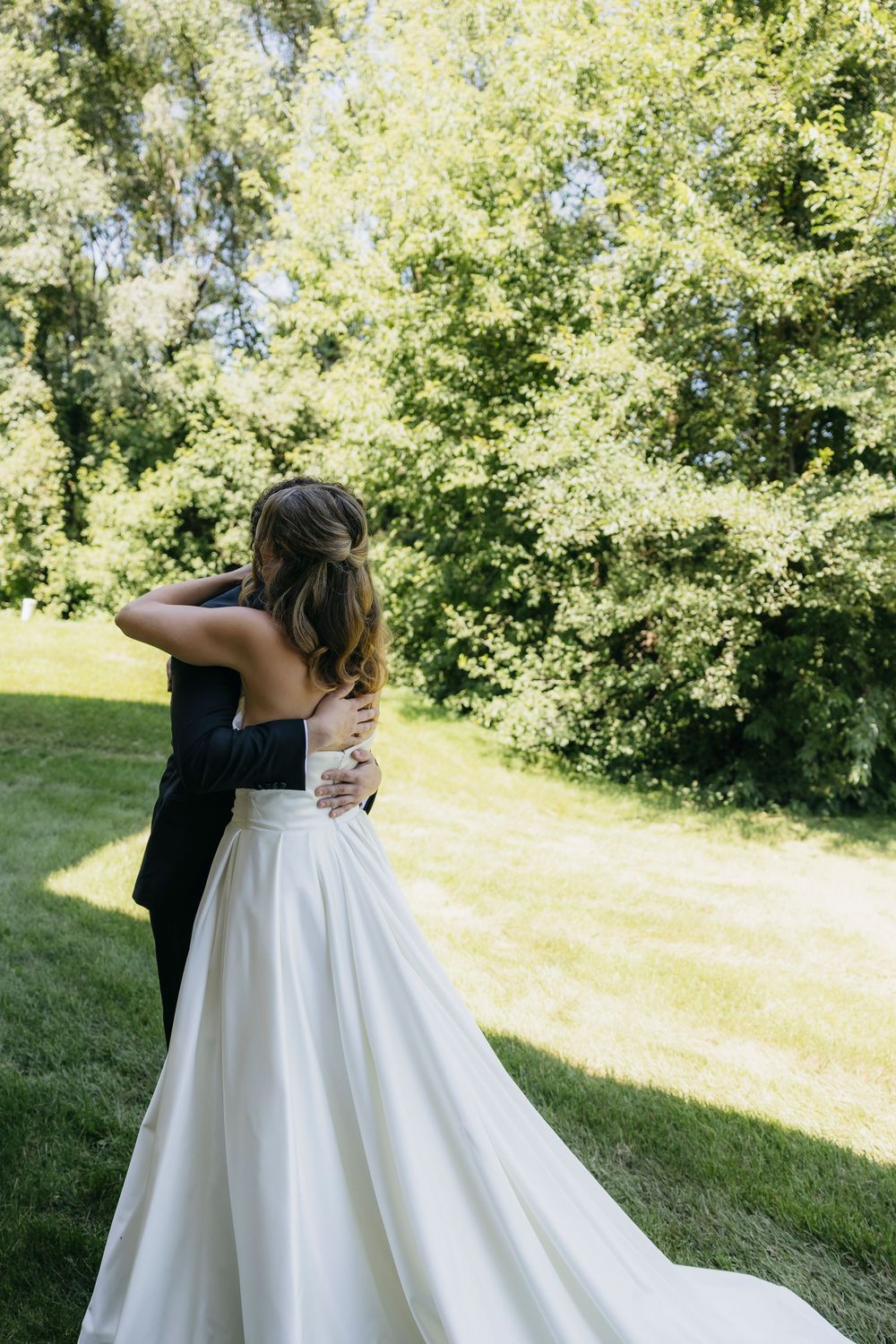
For couples choosing a first look, this is often where the day slows down in the best way.
No audience. No pressure. Just the two of you.
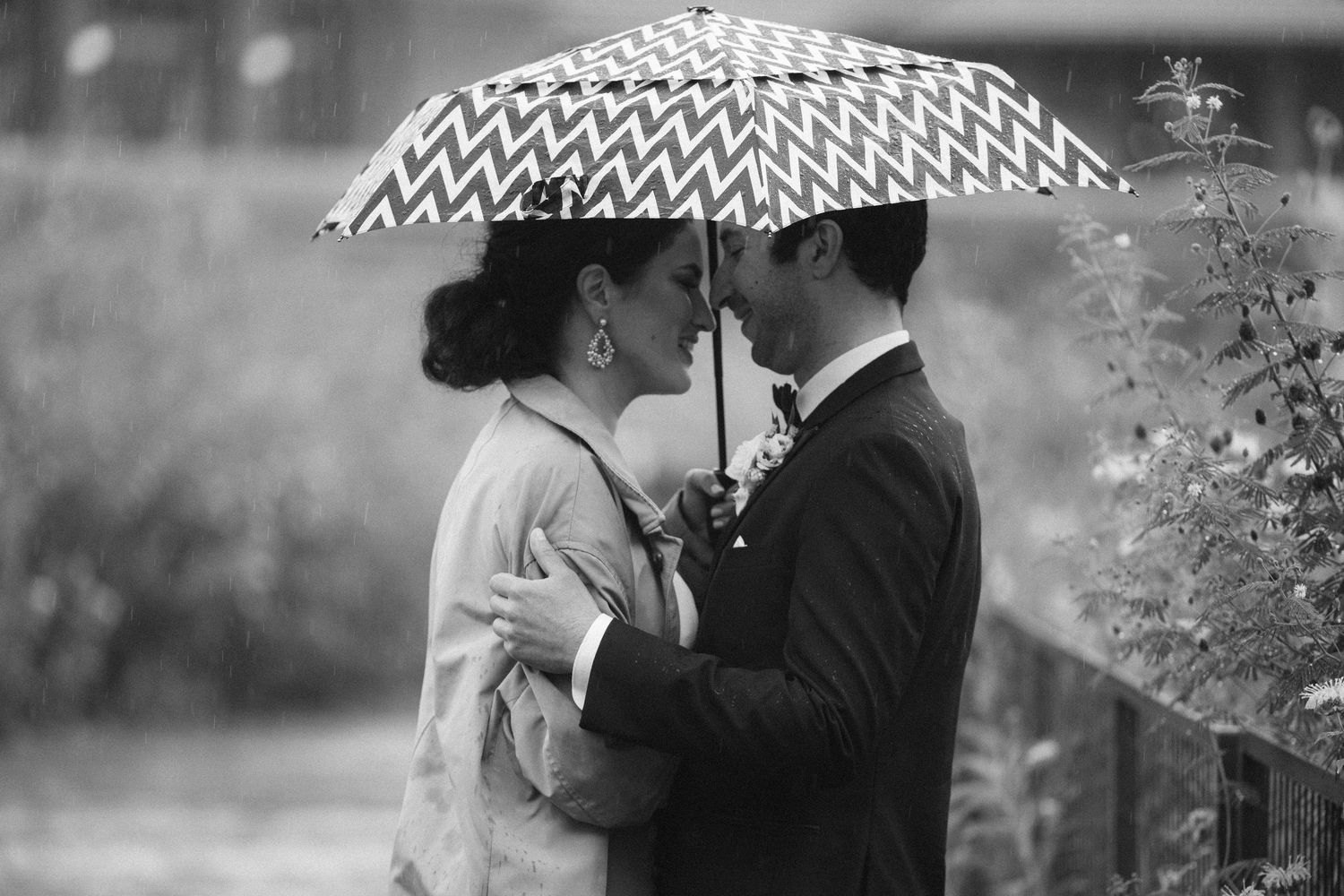
This is also a great time for private vows, couple portraits, and meaningful quiet moments before the day gets busy.
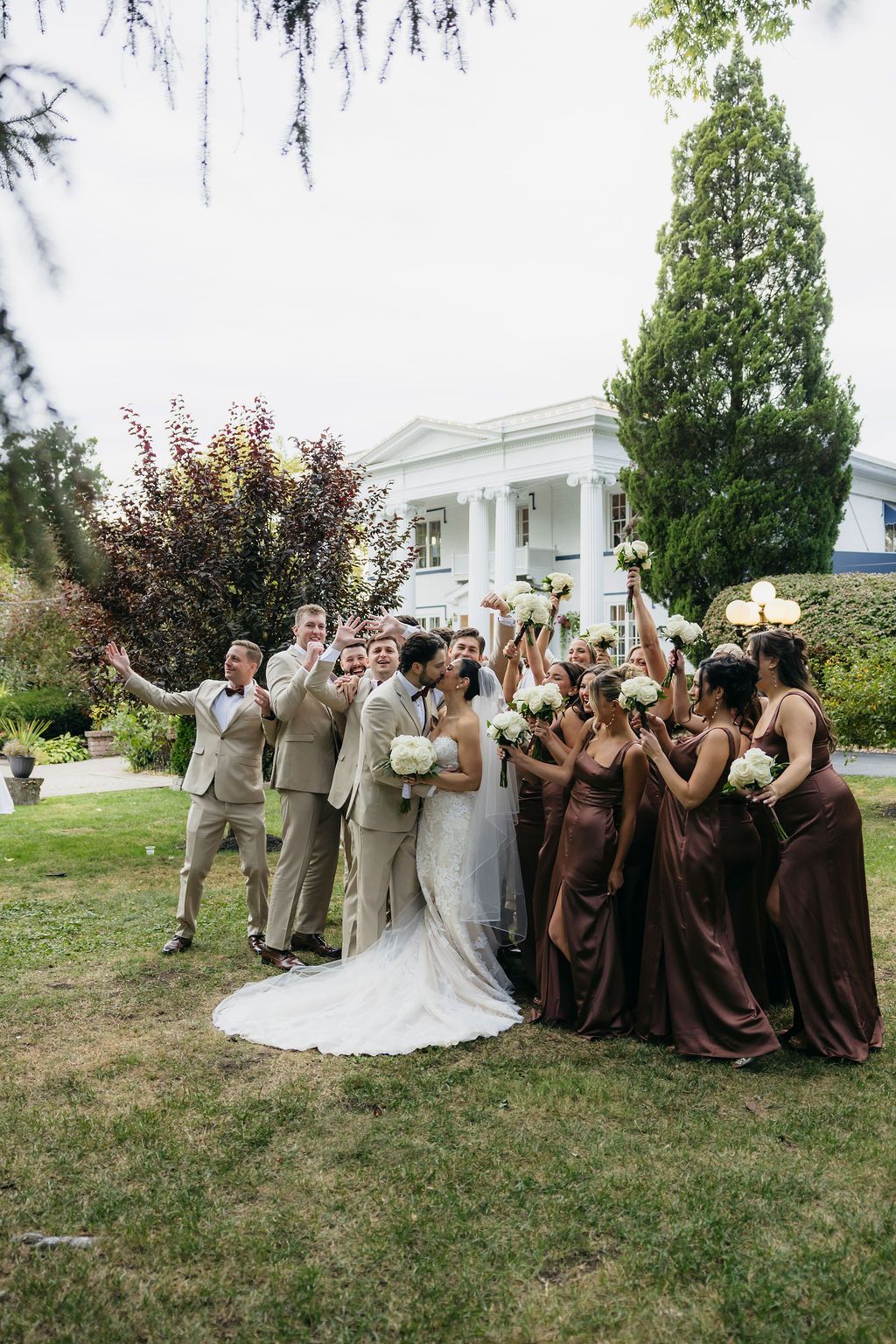
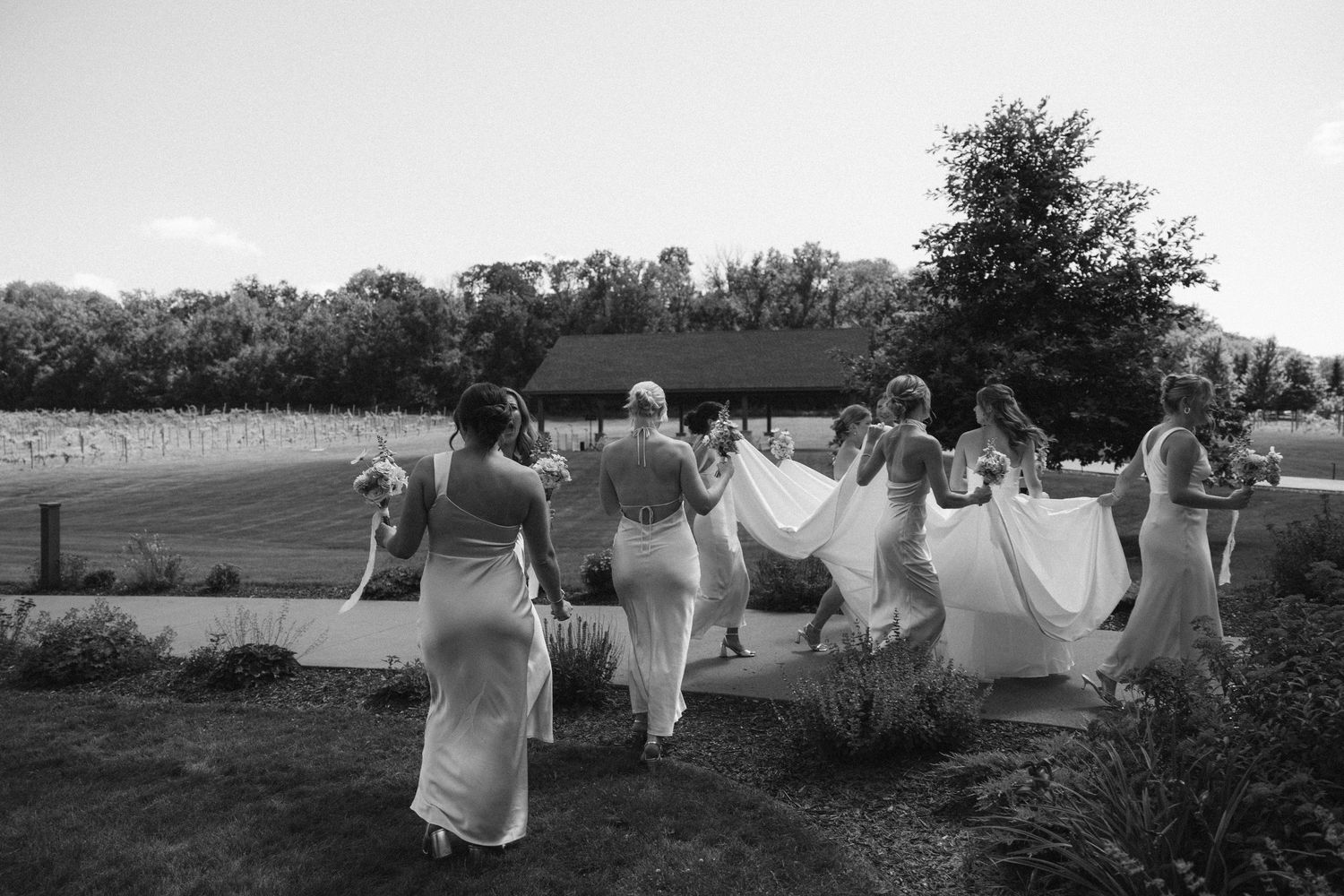
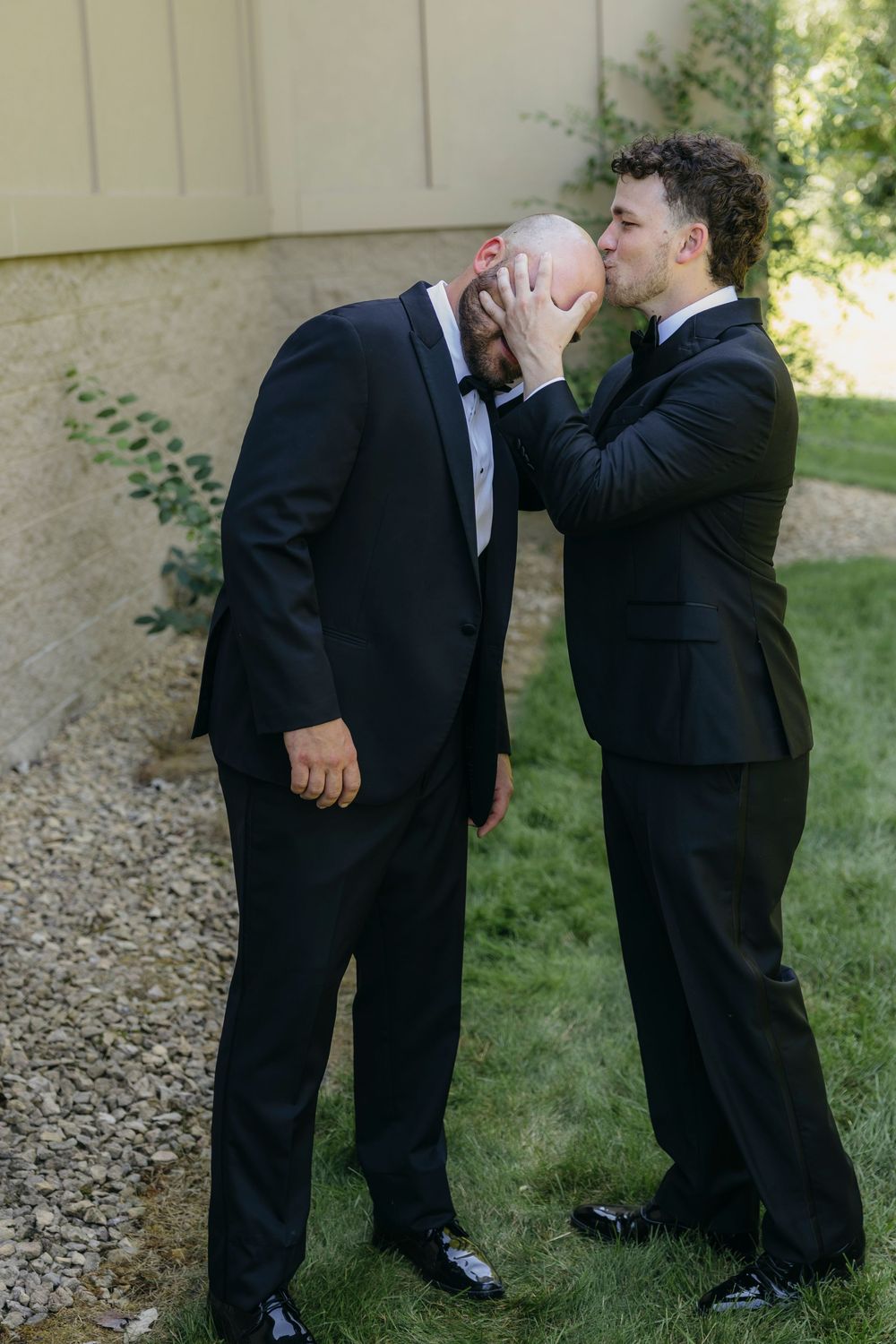
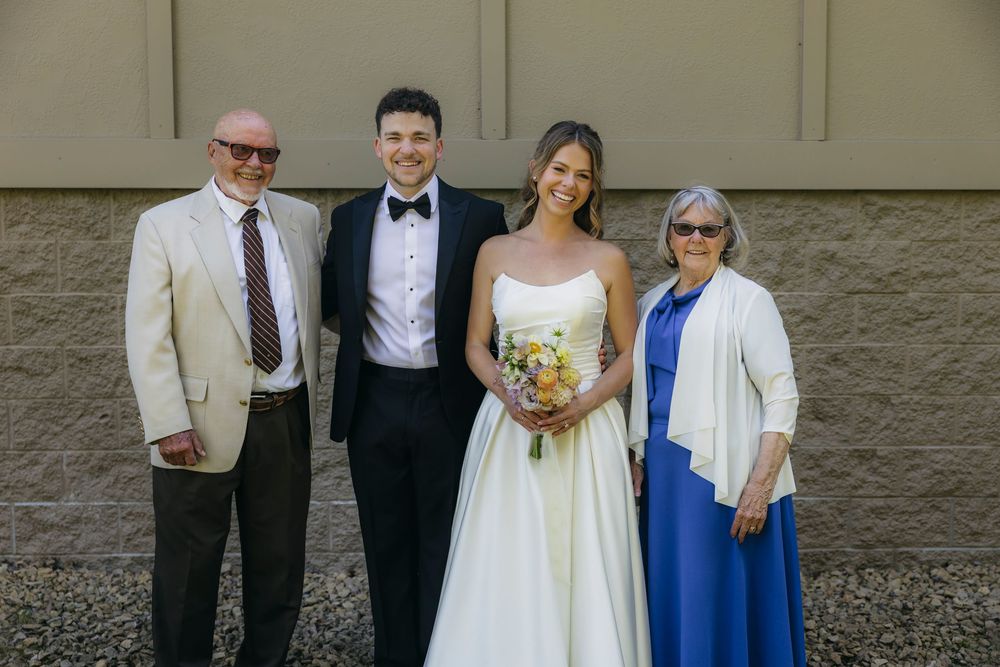
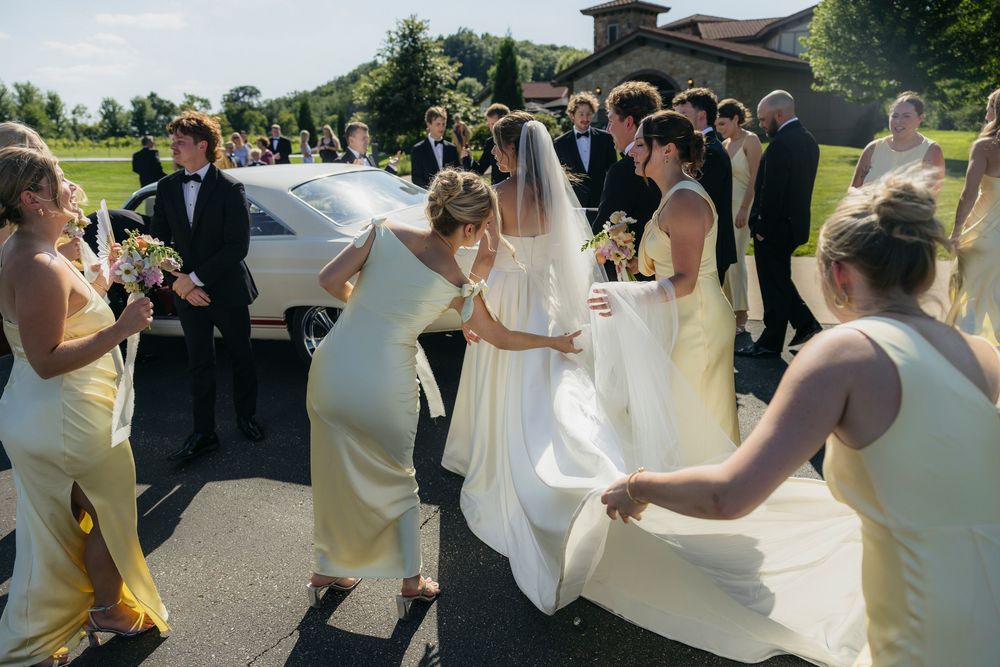
Hour 5: Wedding Party + Immediate Family Portraits
This is where we photograph:
- Wedding party
- Parents
- Siblings
- Grandparents
- Immediate family combinations
Doing this before the ceremony usually helps the rest of the day flow smoother and gives you more time with guests later.
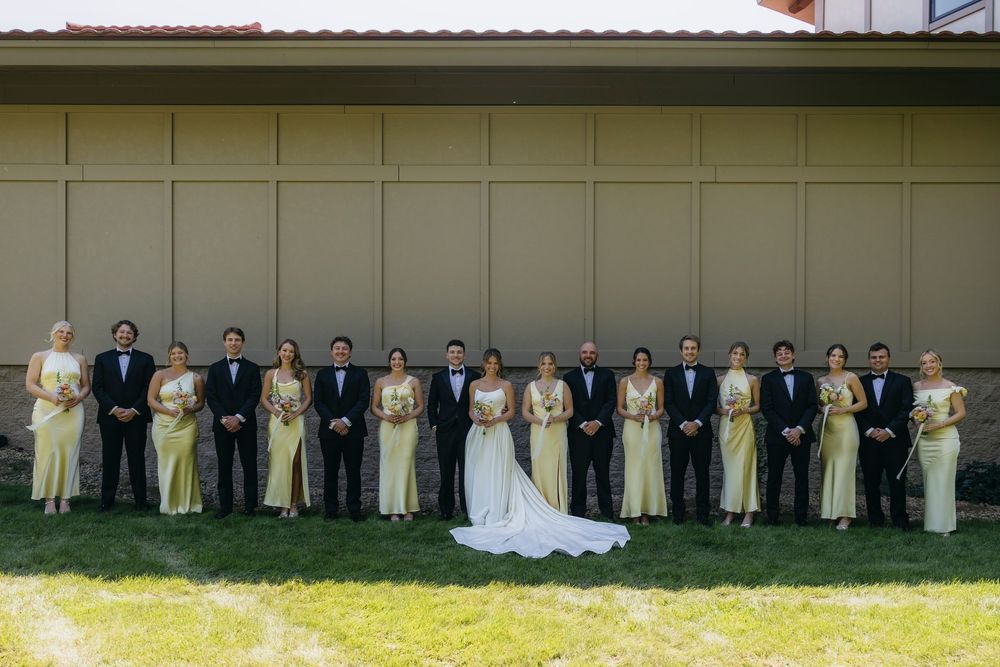
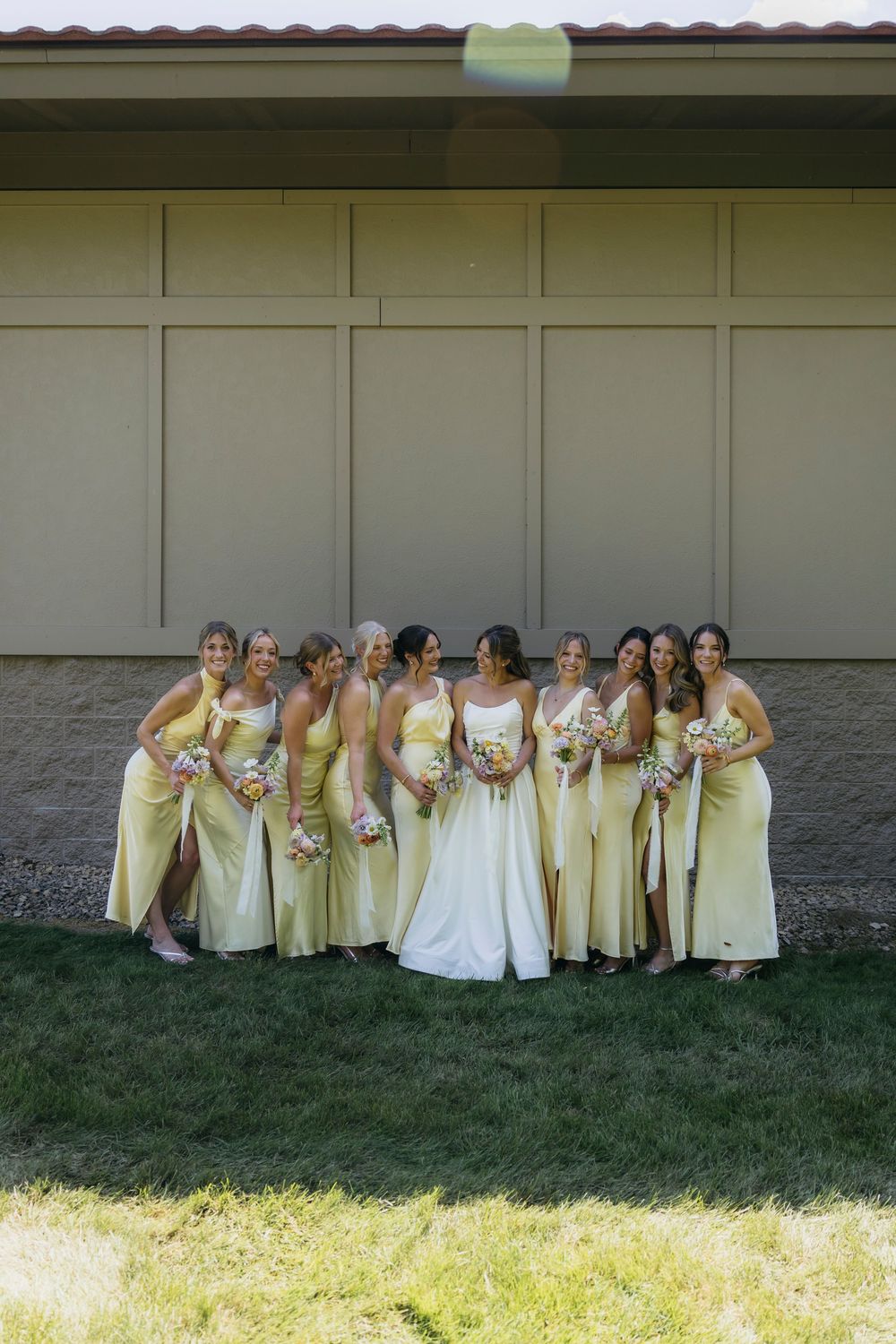
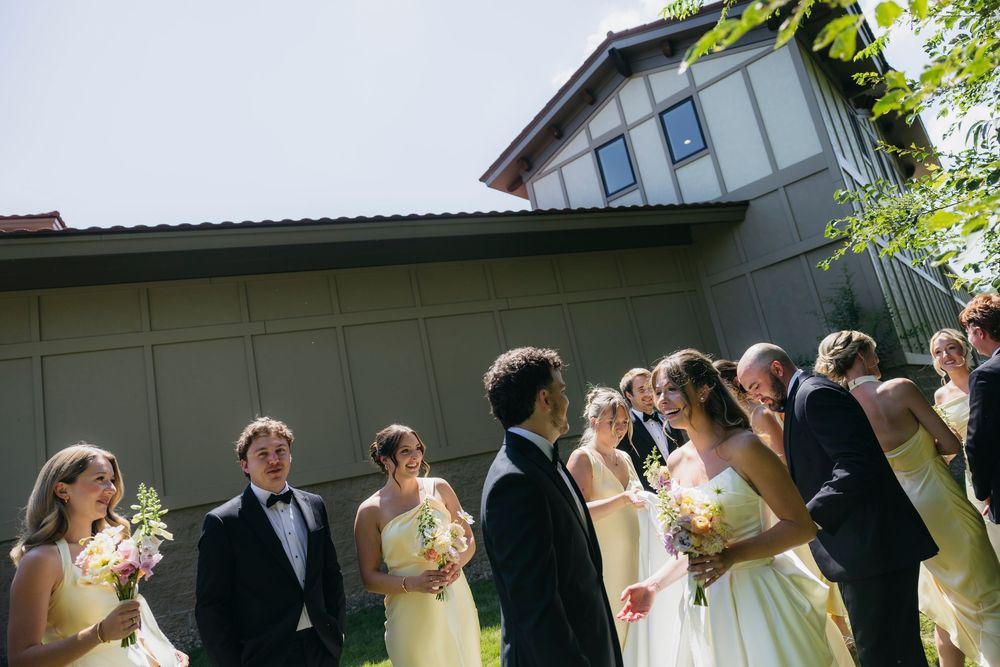
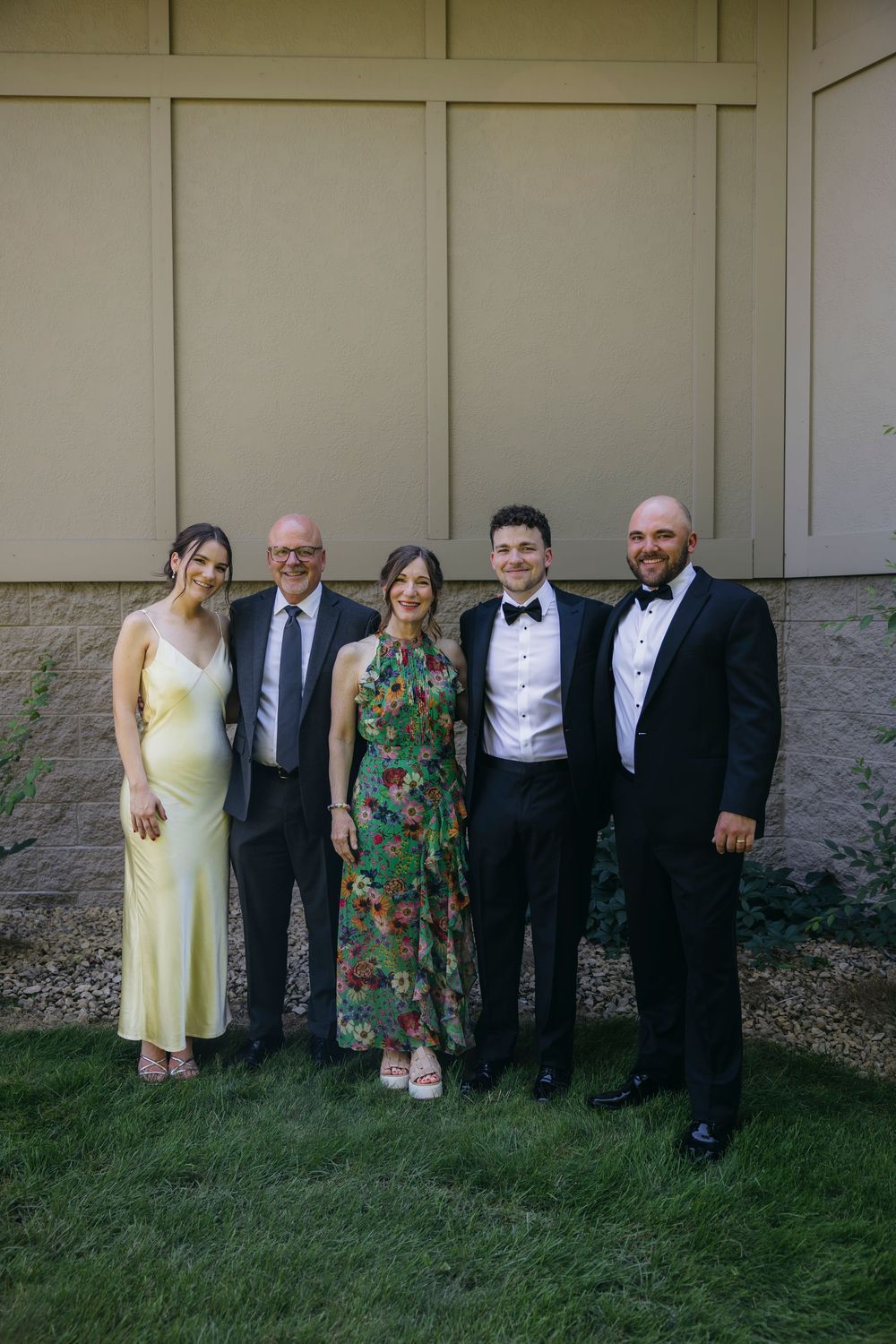
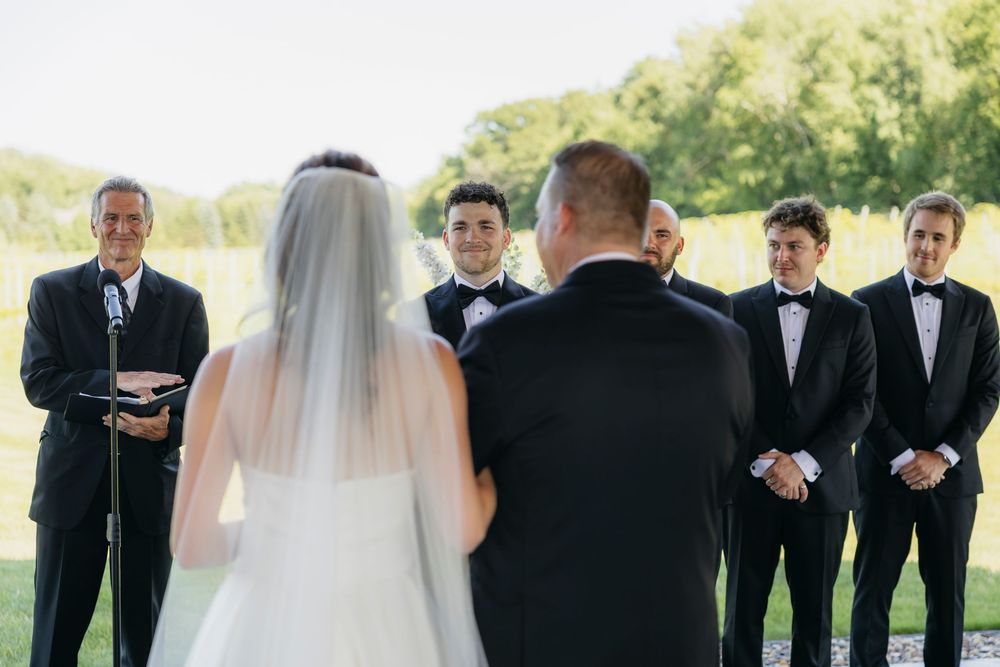
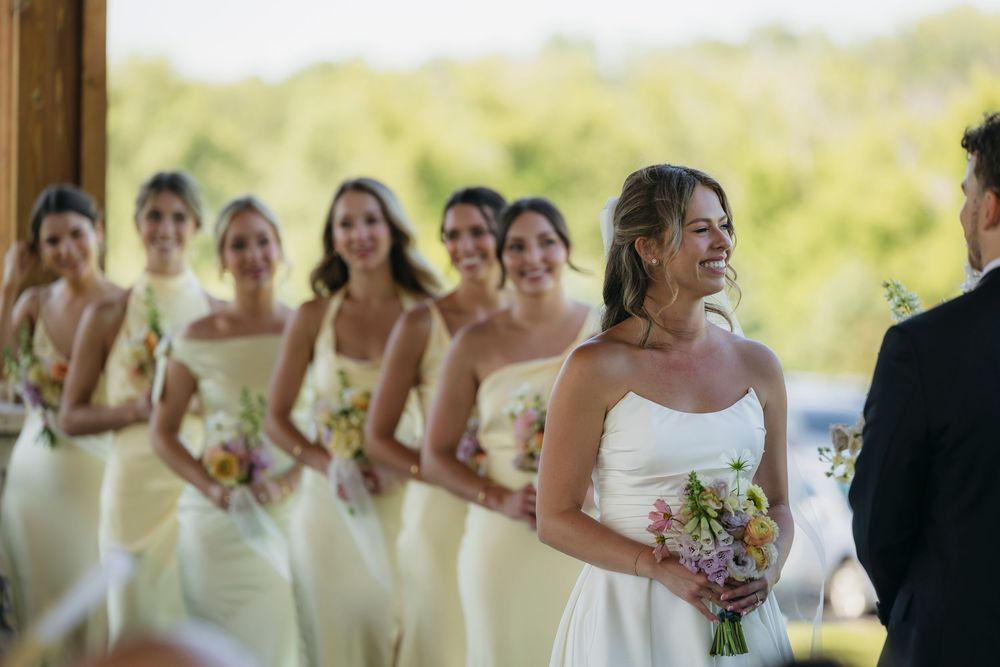
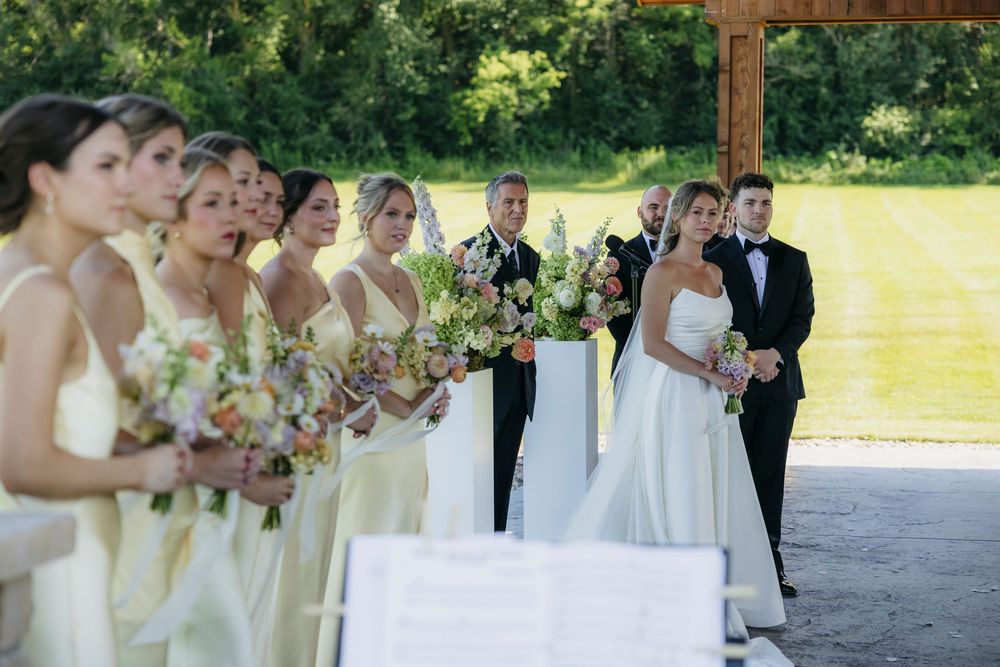
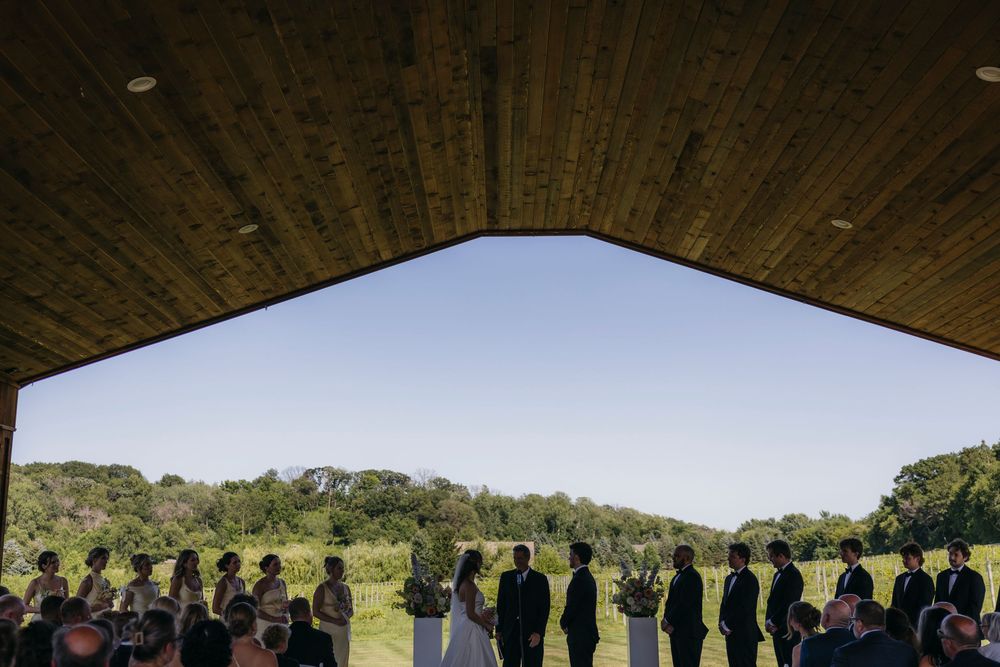
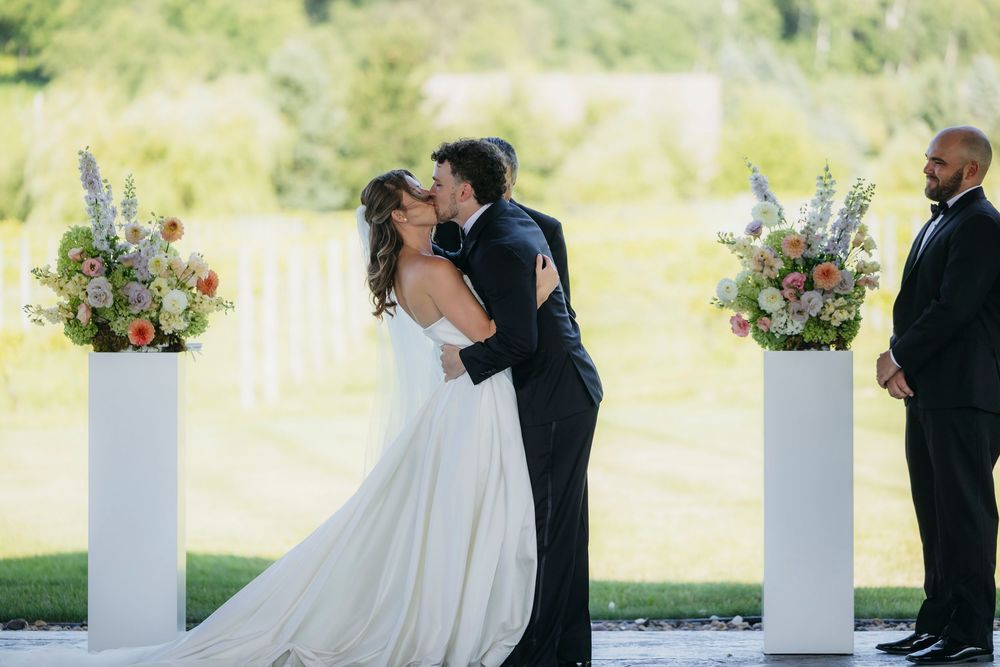
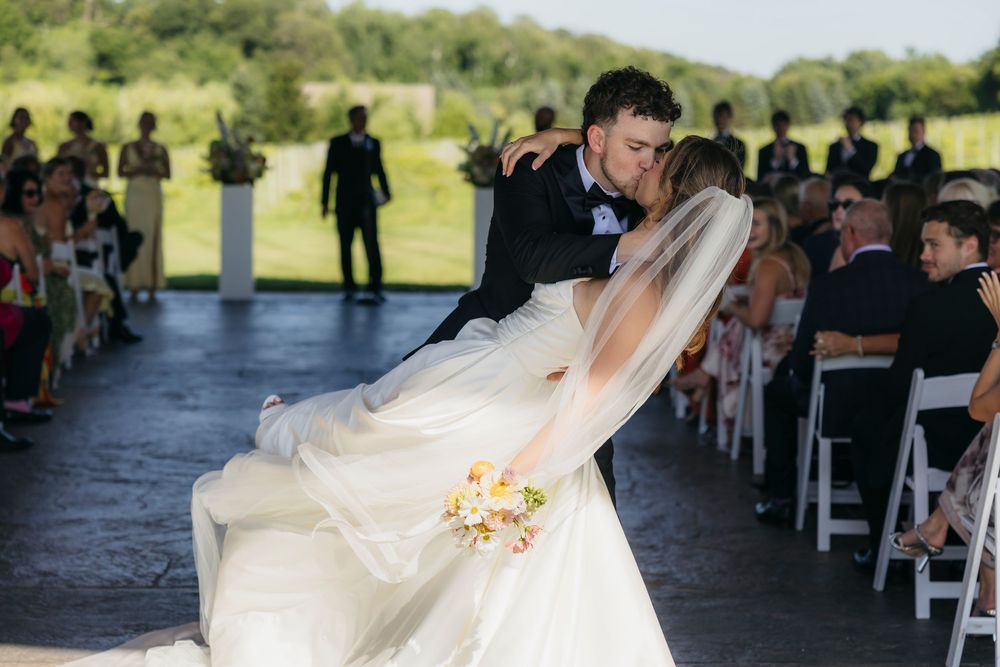
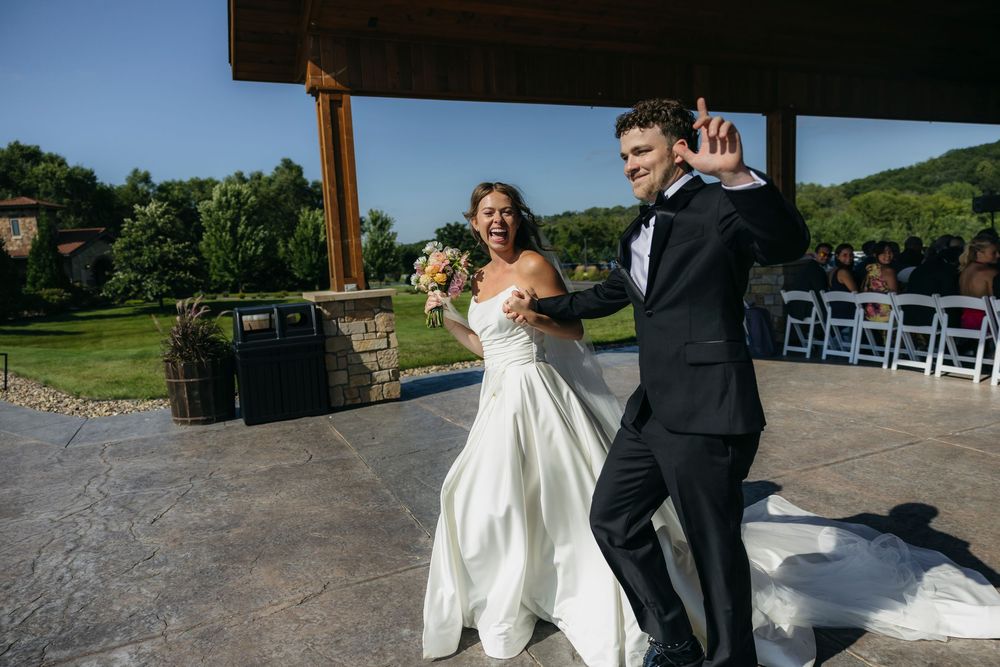
Hour 6: Ceremony (+ Sometimes Extended Family Portraits)
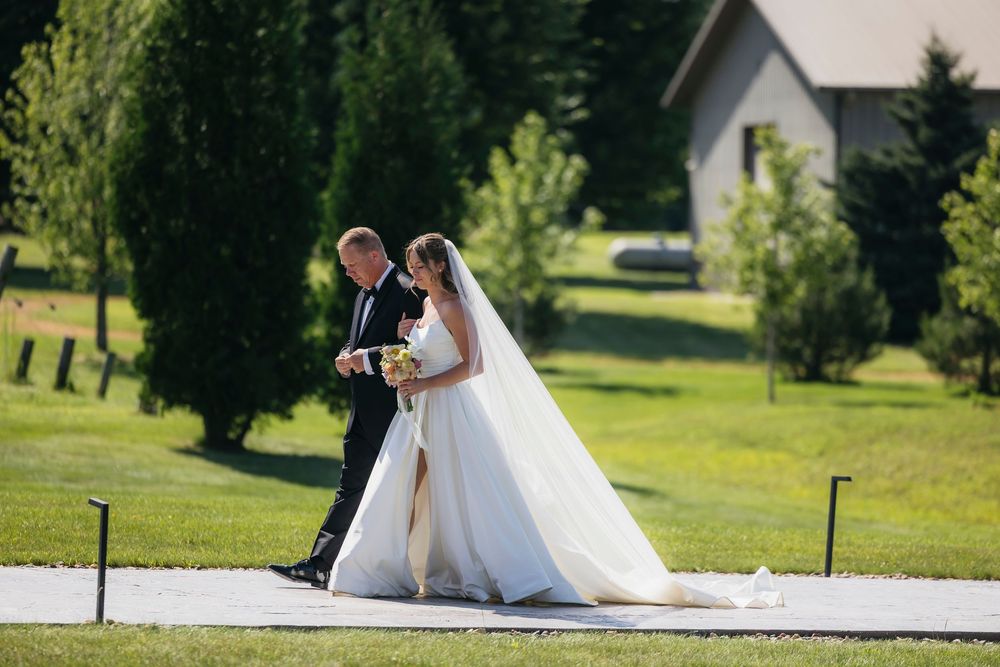
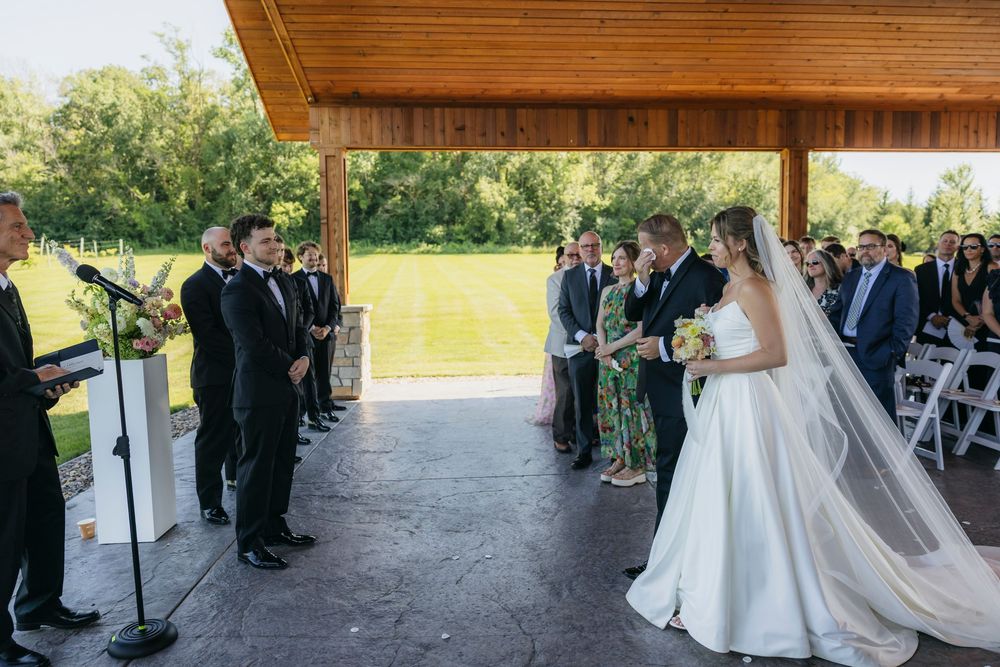
This is the heart of the day.
Walking down the aisle. The vows. Tears. The kiss.
Depending on the timeline, this may also be when we photograph extended family right after the ceremony while everyone is already together.
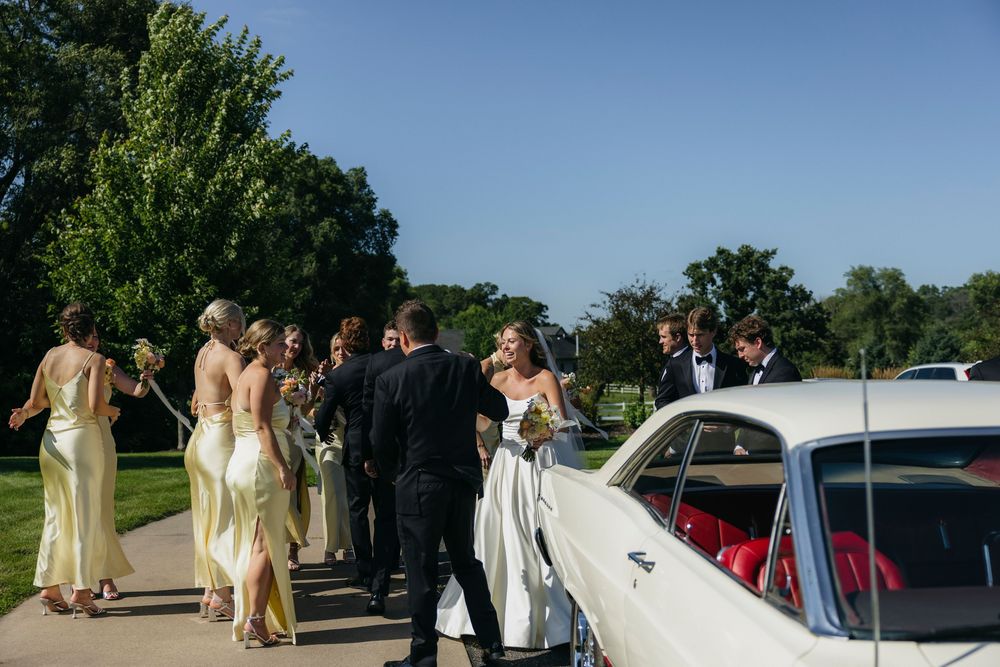
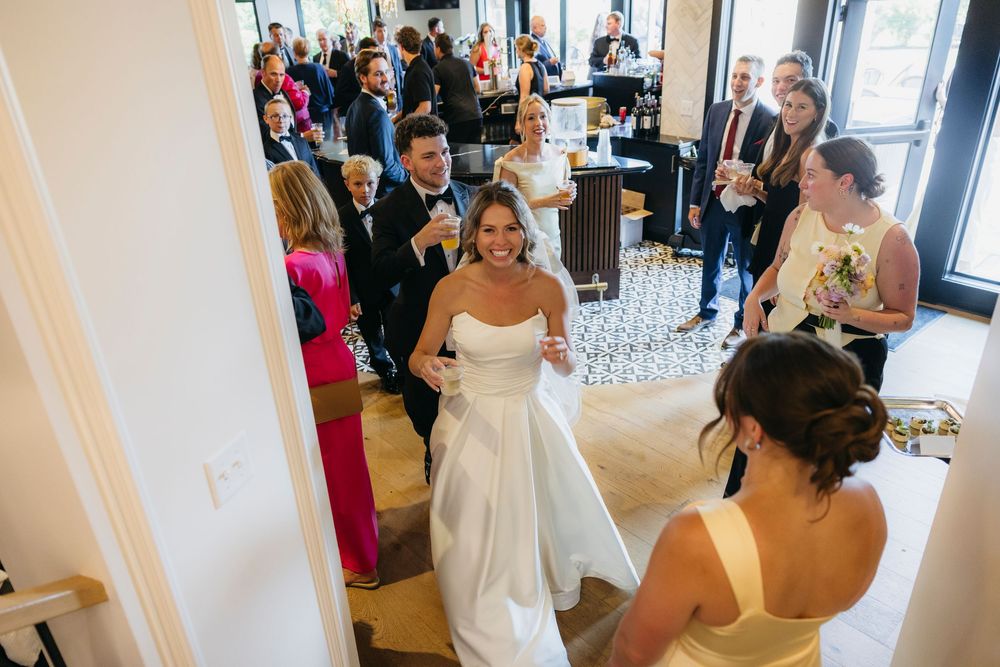
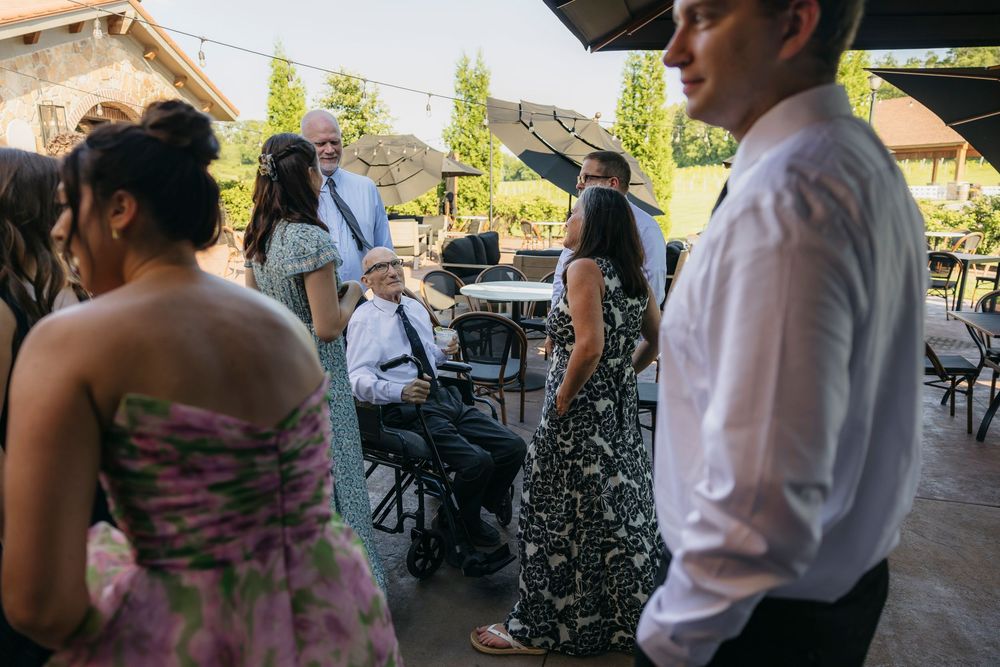
Hours 7–8: Cocktail Hour + Candids
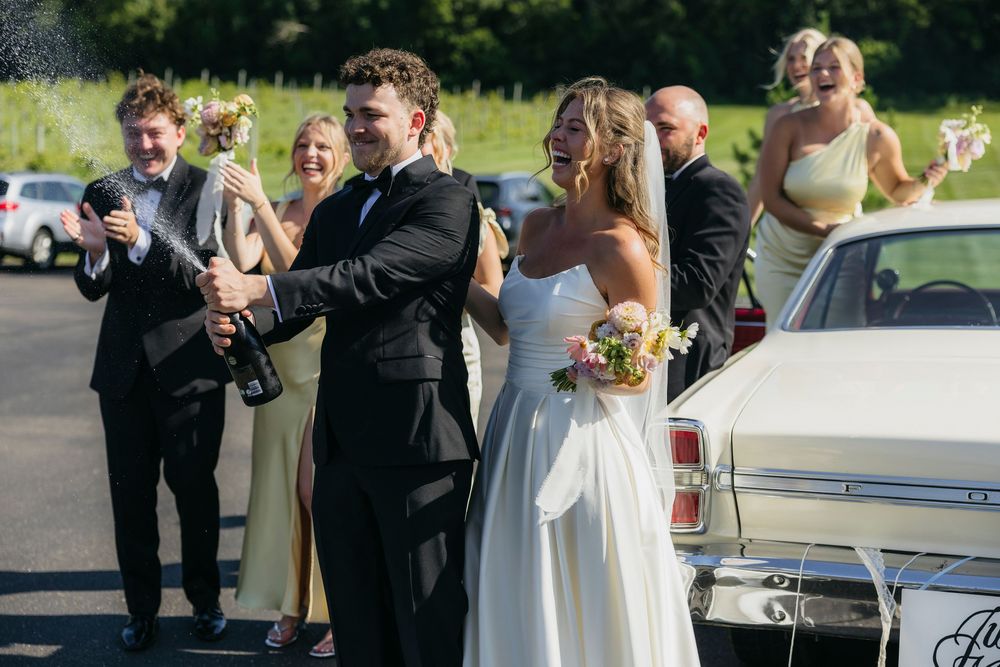
While guests relax, hug, laugh, and celebrate we document what’s actually happening.
These often become some of the most overlooked favorites in the gallery.
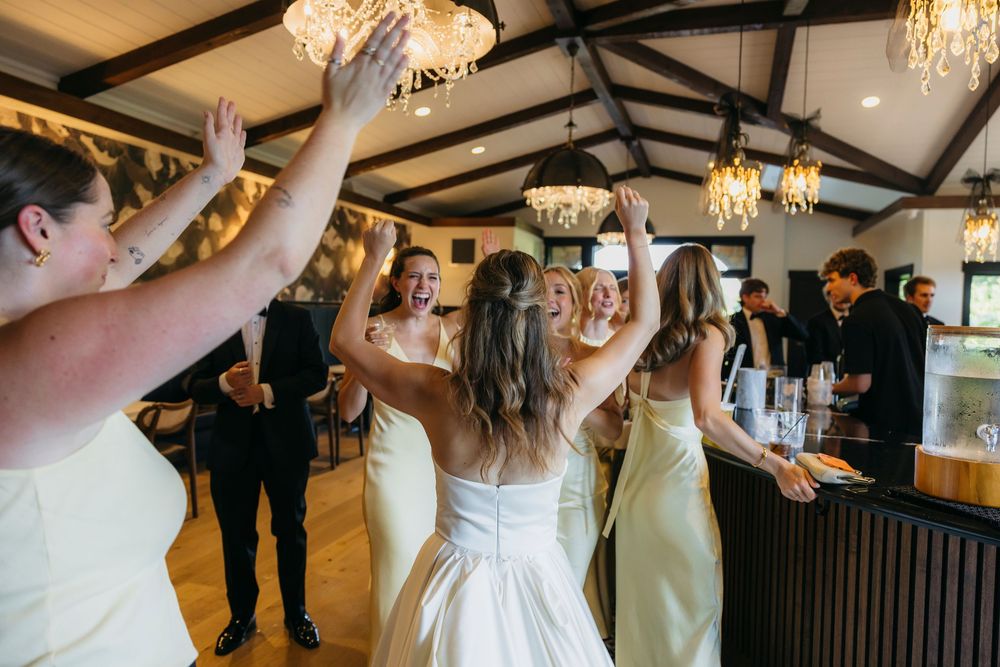
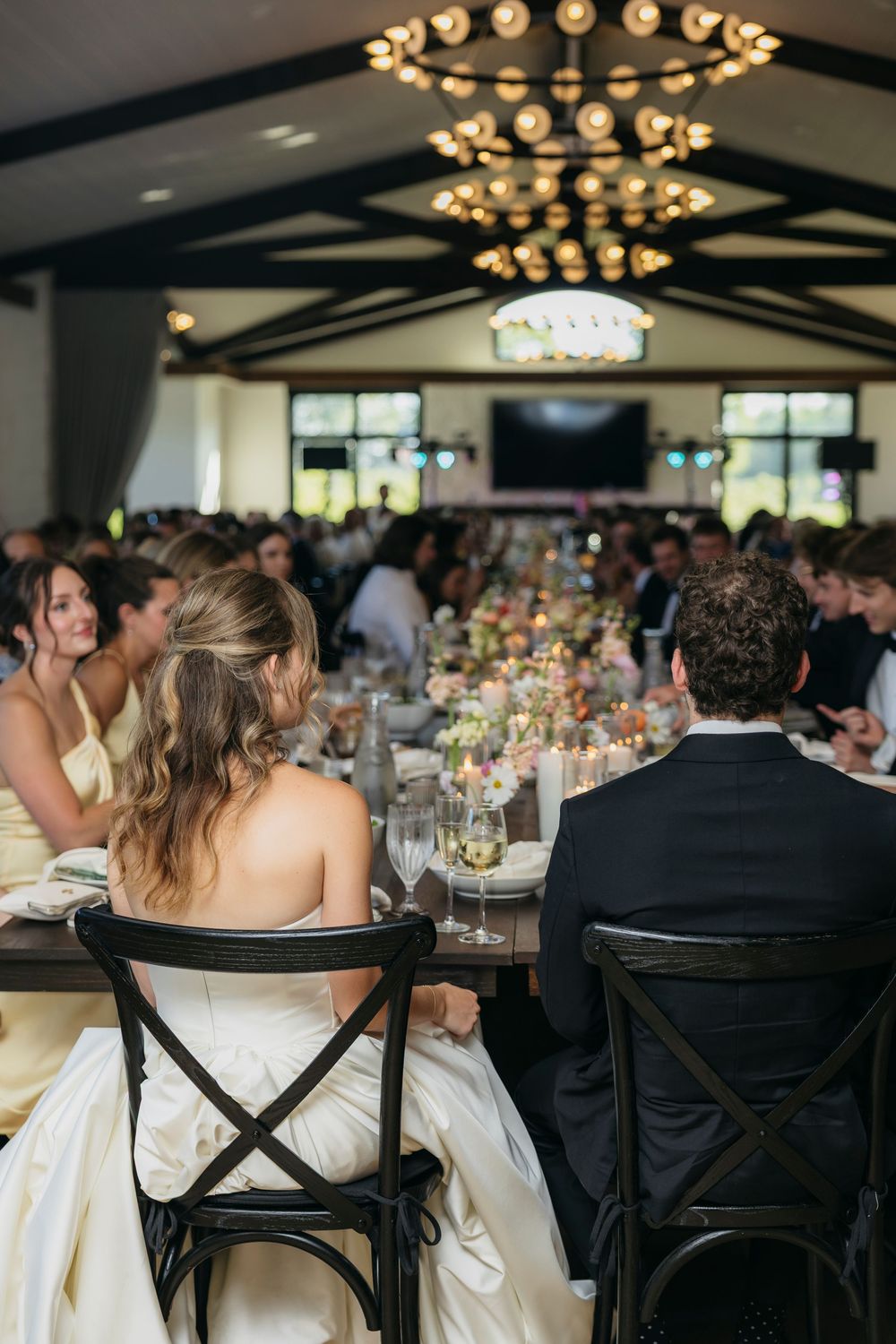
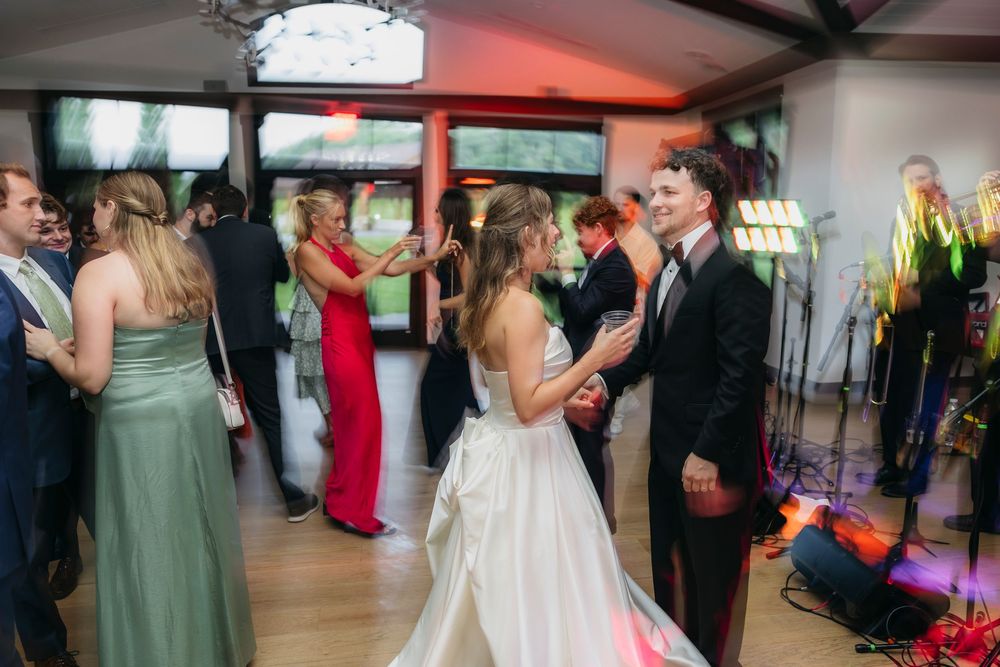
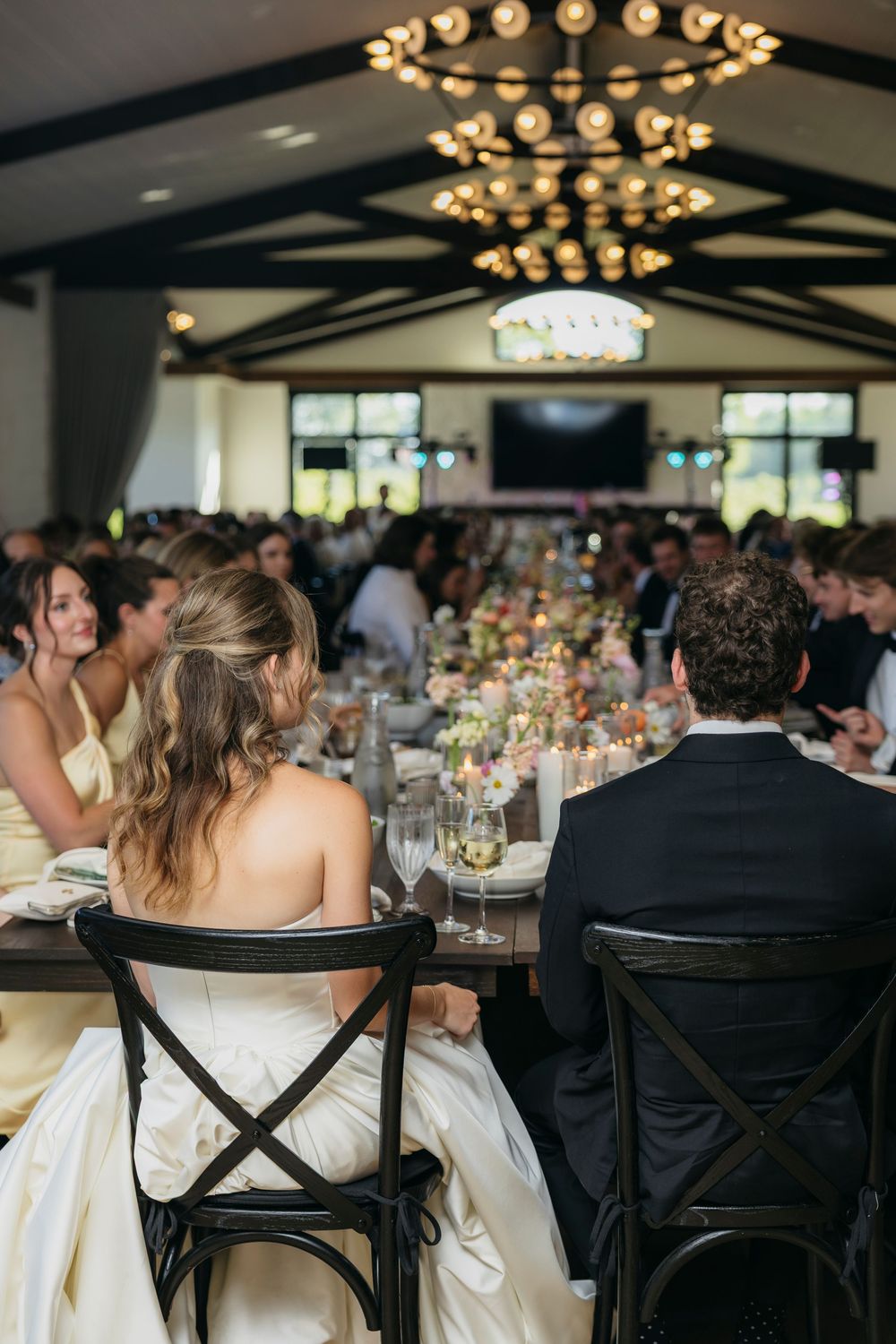
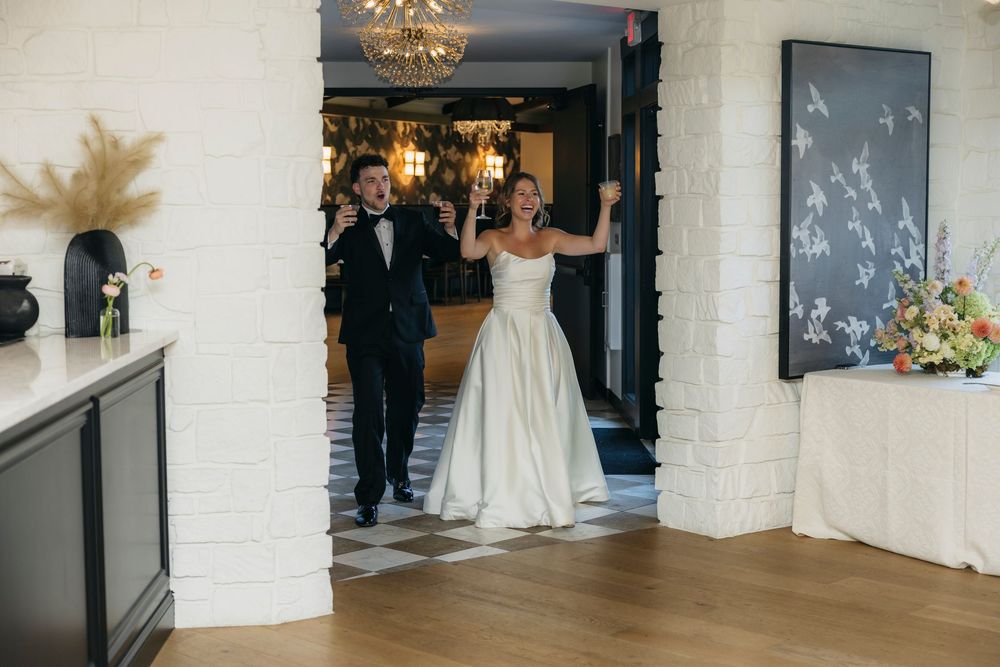
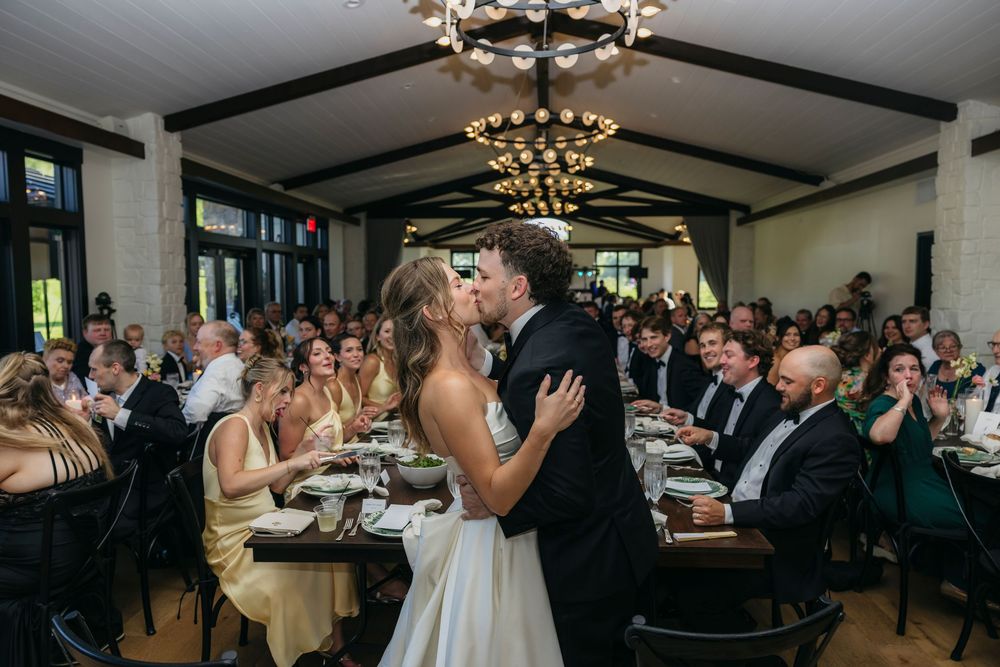
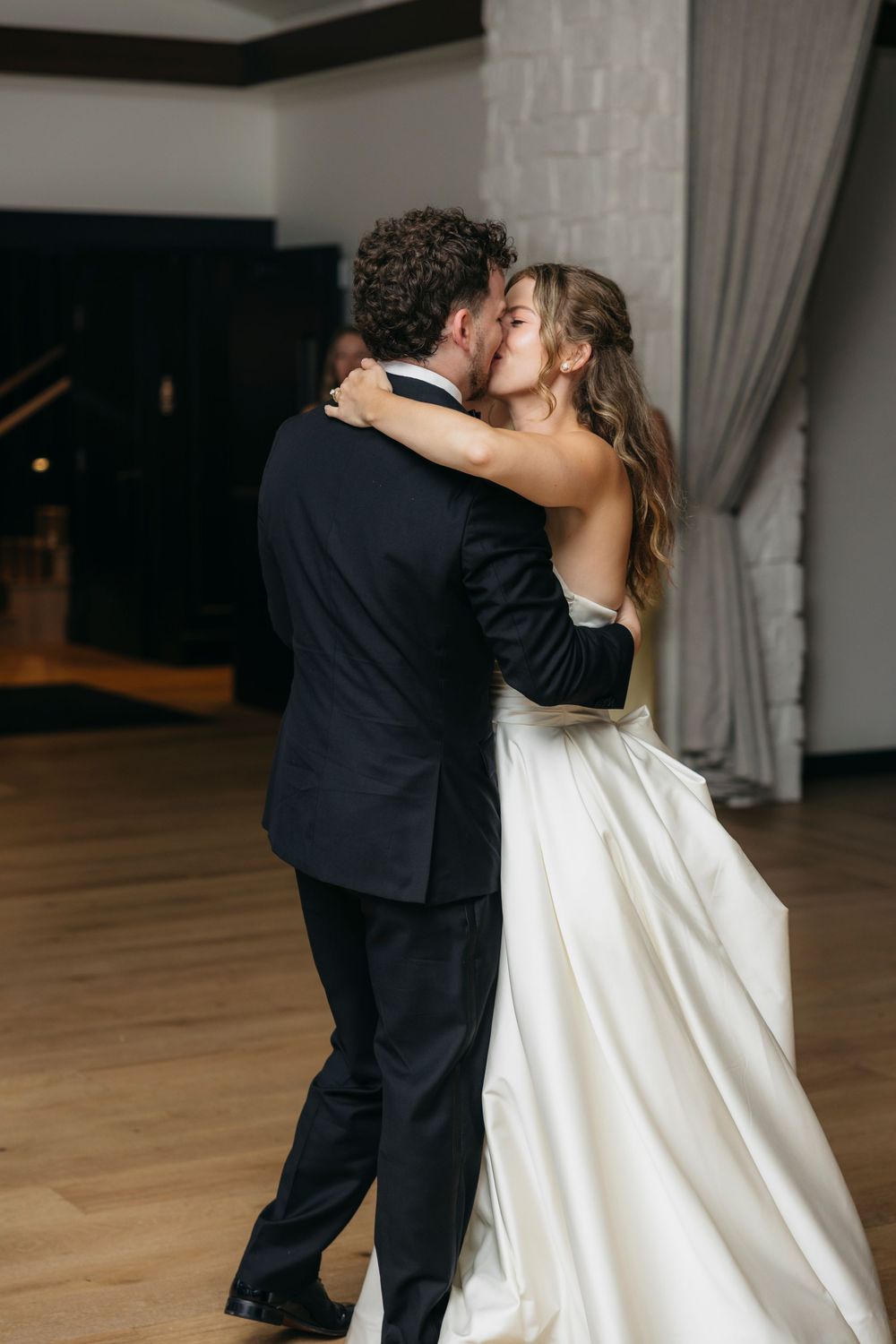
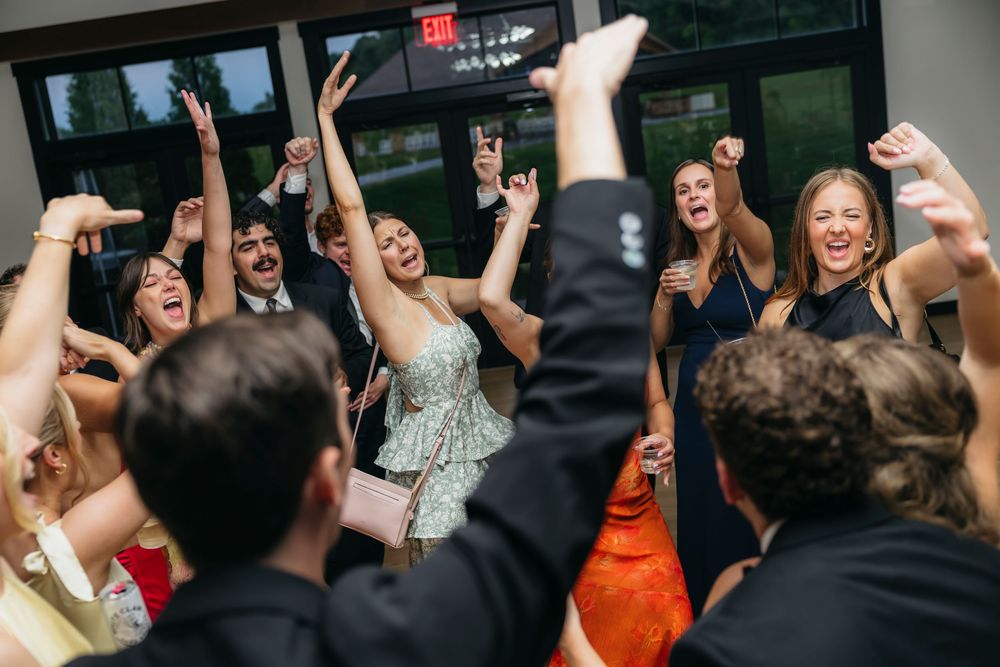
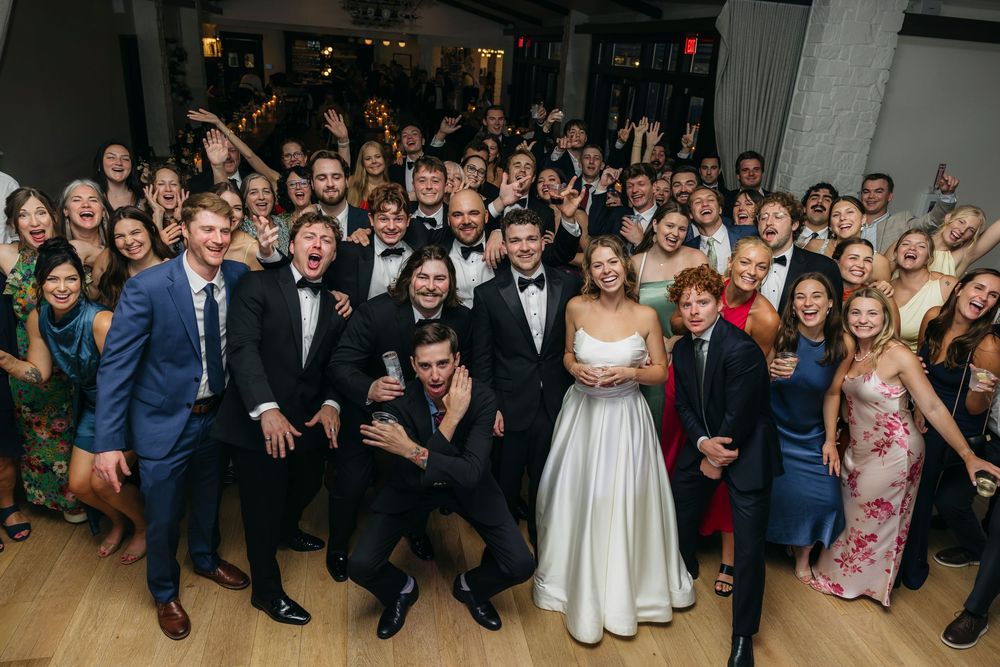
Hours 9–10: Reception + Dance Floor
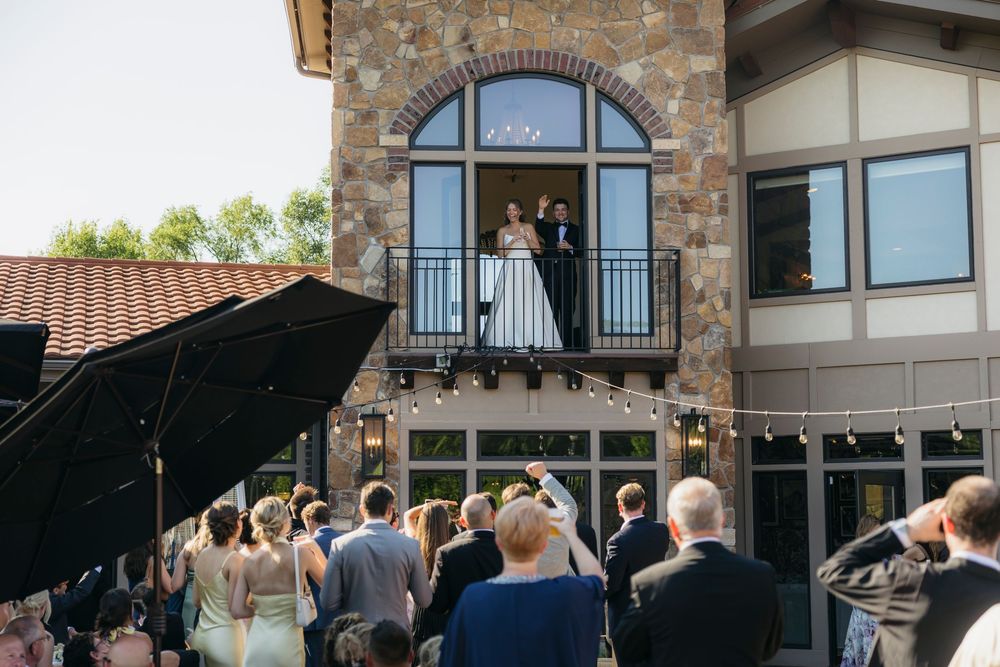
This is where the energy shifts.
Grand entrance. Toasts. First dances. Parent dances. Packed dance floor.
And for video this is where the story comes alive.
What Impacts Coverage Most?
Not guest count.
Usually it’s:
- Multiple locations
- Travel time across Chicago & Midwest
- Large family portrait lists
- Cultural traditions
- Whether photo + video are working together
And that’s exactly why choosing the right team matters.
Read next: What Does Wedding Photography & Videography Actually Cost?
Final Thought
Your wedding isn’t made up of one big moment.
It’s hundreds of small ones.
Ten hours often gives enough space to capture all of it with margin, flexibility, and room for the unexpected.
If you want a team that knows how to document the full story naturally, not just the highlights, we’d love to hear about your plans.